Blog

  • What Are Dental Veneers and How Do They Work?

    In the world where a smile can say a thousand words, ensuring yours is at its best has never been more crucial. At the heart of better oral health and aesthetics lies the marvel of dental veneers – a transformative solution that can elevate your smile, boosting both your confidence and oral health. Whether you are contemplating a dental makeover or curious about cosmetic dental solutions, this guide will walk you through the essentials of dental veneers, dental veneers benefits, and how they work to create the smile you have always dreamed of.

    What Are Dental Veneers?

    Dental veneers are thin, custom-made shells designed to cover the front surface of teeth, improving their appearance. These shells are bonded to the teeth, changing their color, shape, size, or length. Think of veneers as a quick, durable fix for achieving a perfect smile, addressing various dental issues with a solution that looks and feels natural.

    benefits of dental veneers

    The Benefits of Dental Veneers

    Dental veneers are more than just a path to a prettier smile; they are a journey towards renewed confidence and oral health. Here is a closer look at the dental veneers benefits:

    Cosmetic Transformation: Veneers can turn discolored, chipped, or misaligned teeth into a flawless smile, enhancing your appearance and boosting your self-esteem.

    Stain Resistance: Made from high-quality materials like porcelain, veneers resist stains from coffee, tea, and cigarette smoke, keeping your smile brighter for longer.

    Customization: Each veneer is tailor-made to fit the unique shape, size, and color of your teeth, ensuring a natural look that complements your overall appearance.

    Less Invasive Procedure: Compared to other dental restoration methods, veneers require the removal of a minimal amount of tooth enamel, preserving the strength and integrity of your natural teeth.

    Durability: With proper care, veneers can last for a decade or more, making them a long-term investment in your smile and oral health.

    Quick Results: Transforming your smile with veneers can be achieved in just a few visits to the dentist, offering a speedy route to a more beautiful smile.

    Conditions Treated by Dental Veneers

    Veneers are versatile tools in cosmetic dentistry, capable of addressing a wide range of dental imperfections:

    Discoloration: Whether caused by root canal treatment, stains from particular drugs, excessive fluoride, or large resin fillings that have discolored the tooth, veneers can restore natural tooth appearance.

    Wear and Tear: Teeth naturally wear down as we age. Older individuals often have worn anterior teeth, leading to a tired, aged appearance. Veneers can restore the natural look of worn teeth.

    Chips and Breakages: Life happens, and sometimes our teeth bear the brunt of it, resulting in chips and cracks. Veneers can cover these imperfections, protecting the tooth from further damage.

    Misalignment and Unevenness: Not everyone wants or needs braces. For slight misalignments or irregular tooth shapes, veneers provide a cosmetically pleasing and simple correction.

    Gaps: Spaces between teeth can be aesthetically displeasing for some. Veneers offer a quick and effective way to close those gaps, enhancing your smile’s uniformity.

    Getting Dental Veneers

    Here is the step by step guide to getting veneers:

    Consultation: Your journey begins with a consultation at the best dental implant clinic in Calicut, where your dental history is reviewed, and a custom treatment plan is crafted.

    Preparation: A small amount of enamel is removed to make space for the veneer, ensuring a seamless fit.

    Impression: An impression of your tooth is taken to create a veneer that perfectly matches the shape and size of your tooth.

    Bonding: Once your veneer is ready, it is carefully bonded to your tooth, instantly transforming its appearance.

    Aftercare

    Maintaining your veneers is straightforward and involves regular dental hygiene practices:

    • Regular Cleaning: Brush and floss daily to keep your veneers in top condition.
    • Avoid Hard Foods: To prevent damage, avoid biting into hard foods with your veneered teeth.
    • Regular Check-ups: Visit your dentist regularly to ensure your veneers and overall oral health are maintained.

    Understanding Veneers Teeth Price

    The cost of dental veneers varies, influenced by factors such as the material used and the number of veneers needed. While considering the veneers teeth price, remember that this investment is not just in your smile but in your confidence and oral health. For an accurate quote and a guide to getting veneers, scheduling a consultation is your best step forward.

    Conclusion

    Dental veneers are a powerful solution for anyone looking to improve their smile quickly and effectively. With the ability to treat a variety of conditions and a procedure that puts your comfort and appearance first, veneers are more than just a dental treatment; they are a step towards the confidence and oral health you deserve. Elite Dental Studio is a top dental clinic Eranhipalam that stands ready to be your partner in this transformative journey. Our commitment to excellence, combined with our expertise in dental veneers, ensures you are in the best hands. If you are considering dental veneers or wish to learn more about how they can benefit you, we invite you to contact us and take the first step towards unlocking the full potential of your smile.

    FAQs

    How long do dental veneers last?

    Ans. Dental veneers typically last between 10 to 15 years with proper care, including good oral hygiene practices and regular dental check-ups.

    Are dental veneers painful?

    Ans. The process of getting veneers involves minimal discomfort. Your dentist may use a local anesthetic during the preparation phase to ensure you feel no pain.

    Can veneers fix crooked teeth?

    Ans. Yes, veneers can be used to improve the appearance of slightly crooked or misaligned teeth by covering them with a perfectly shaped overlay.

    How do I take care of my veneers after they are applied?

    Ans. Maintain good oral hygiene by brushing twice a day, flossing daily, and avoiding hard foods that can chip or damage the veneers. Regular dental visits are also crucial for their longevity.

  • 6 Signs of Infection After Root Canal

    A root canal is a dental procedure that aims to save a tooth by removing the infected or inflamed pulp, cleaning and disinfecting the inside of the tooth, and sealing it with a permanent filling. While root canal treatment is generally successful in eliminating the infection and preserving the tooth, there is a possibility of developing an infection afterward, especially if proper precautions are not taken.

    In this blog, we’ll explore the six signs that may indicate an infection after a root canal and what you can do about it.

    Signs of Root Canal Infection

    6 signs of infection after root canal

    1. Persistent or Worsening Pain

    After a root canal, it’s normal to experience some mild discomfort or sensitivity for a few days. However, if the pain persists or worsens over time, it could be a sign of an infection. The pain may be localised around the treated tooth or radiate to other areas of the jaw or face.

    2. Swelling

    Swelling is another sign of infection after root canal. If you notice swelling in the gum area around the treated tooth, or if the swelling spreads to your face or neck, it’s essential to seek immediate dental attention. Swelling can indicate the presence of an abscess or other serious infection.

    3. Fever

    A fever is often a sign that your body is fighting an infection. If you develop a fever after a root canal, it could be a symptom of an infection related to the treated tooth or the surrounding area.

    4. Drainage

    If you notice pus or other discharge coming from the treated tooth or the surrounding gum area, it’s a clear indication of an infection. This drainage can be accompanied by an unpleasant taste or odour.

    5. Tooth Discoloration

    A tooth that has undergone a root canal may become discoloured or darkened over time, but if the discolouration occurs shortly after the procedure, it could be a sign of bone infection after root canal.

    6. Sensitivity to Hot or Cold

    While some sensitivity to hot or cold temperatures is normal immediately after a root canal, if it persists or worsens, it could indicate that the infection has not been fully eliminated or that a new infection has developed.

    How to Treat Infection After Root Canal

    If you experience any of these signs after a root canal, it’s crucial to seek prompt dental attention. Your dentist may recommend one or more of the following treatment options:

    1. Antibiotics: In some cases, a course of antibiotics may be prescribed to help fight the infection.
    2. Root Canal Retreatment: If the initial root canal treatment was unsuccessful in eliminating the infection, your dentist may recommend a retreatment. This involves removing the existing filling material, cleaning the root canal system again, and sealing it with a new filling.
    3. Endodontic Surgery: In severe cases where retreatment is not possible or has been unsuccessful, your dentist may recommend endodontic surgery, such as an apicoectomy. This involves removing the infected tissue at the root tip and sealing the area.
    4. Tooth Extraction: In some rare cases, if the infection is severe and cannot be resolved through other treatments, tooth extraction may be necessary to prevent the spread of the infection to other areas.

    Prevention is always better than cure, so it’s essential to follow your dentist’s instructions carefully after a root canal. This includes practising good oral hygiene, avoiding hard or sticky foods that could damage the treated tooth, and scheduling regular follow-up appointments to monitor the healing process.

    If you experience any signs of root canal infection, don’t hesitate to contact Elite Dental Care immediately. Prompt treatment is crucial to prevent further complications and ensure the long-term success of your root canal treatment. We have the best team of dentists for root canal treatment near me in Calicut. Book an appointment today to know more.

    FAQs

    Is it normal to have some pain after a root canal?

    Yes, it’s normal to experience some mild discomfort or sensitivity for a few days after a root canal procedure. However, if the pain persists or worsens over time, it could be a sign of an infection, and you should contact your dentist.

    How long does it take for an infection to develop after a root canal?

    The time it takes for an infection to develop after a root canal can vary. In some cases, signs of infection may appear within a few days or weeks, while in others, it may take months or even years. If you notice any concerning symptoms, it’s best to seek dental attention promptly.

    Can an infection after a root canal spread to other parts of the body?

    Yes, if left untreated, an infection after a root canal can potentially spread to other parts of the body, such as the jaw, neck, or even the bloodstream. This is why it’s crucial to address any signs of infection promptly to prevent further complications.

    Is it possible to have an infection after a root canal even if the procedure was successful?

    Yes, it’s possible to develop an infection after a root canal, even if the initial procedure was successful. This can happen if bacteria or debris remain in the root canal system or if the tooth becomes re-infected due to a new injury or decay.

    Can a root canal infection cause a fever?

    Yes, a fever is often a sign that your body is fighting an infection, and it can be a symptom of an infection related to a root canal. If you develop a fever after a root canal, it’s essential to seek dental attention immediately.

  • Unlocking Benefits Of Immediate Dental Implant

    Are you tired of hiding your smile because of missing teeth? Do you find it difficult to enjoy your favorite foods due to gaps in your mouth? Fear not, because Elite Dental Care has the solution – dental implants that will restore your confidence and improve your overall oral health. Your oral health is a reflection of your overall well-being. Missing teeth can lead to a host of problems, such as difficulty chewing, speech issues, and even bone loss in the jaw. Additionally, gaps in your teeth can cause the remaining teeth to shift, resulting in misalignment and further dental problems.

    What are Dental Implants?

    Dental implants are artificial tooth roots made of titanium that are surgically placed into the jawbone. Once integrated with the bone, these implants act as a sturdy foundation for a replacement tooth (crown) to be attached, restoring the functionality and appearance of your smile.

    unlocking benefits of immediate dental implant

    Why Choose Dental Implants?

    There are numerous benefits of dental implants over other tooth replacement options:

    Natural Look and Feel: Dental implants are designed to mimic the appearance and function of your natural teeth, providing a seamless and comfortable fit.

    Long-Lasting Solution: With proper care, dental implants can last a lifetime, making them a cost-effective investment in your oral health.

    Improved Speech and Eating: Missing teeth can make it difficult to speak clearly and enjoy your favorite foods. Dental implants restore your ability to speak and eat with confidence.

    Bone Preservation: When a tooth is missing, the surrounding jawbone can deteriorate over time. Dental implants help maintain the integrity of your jawbone, preventing bone loss and preserving your facial structure.

    The Dental Implant Procedure at Elite Dental Care

    Elite Dental Care is a top dental implant clinic Calicut. Our experienced dental professionals will guide you through every step of the dental implant process, ensuring a comfortable and successful outcome:

    Initial Consultation: Our dentists will evaluate your oral health and discuss your goals, answering any questions you may have about the procedure.

    Surgical Placement: Using state-of-the-art technology and techniques, the titanium implant is carefully placed into your jawbone during a minimally invasive surgical procedure.

    Healing and Integration: Over the course of a few months, the implant will fuse with your jawbone, creating a strong and stable foundation for your new tooth.

    Placement of the Crown: Once the implant has fully integrated, a custom-made, natural-looking crown will be attached, completing the restoration of your smile.

    Aftercare and Maintenance

    Like your natural teeth, dental implant treatment requires proper care and maintenance to ensure their longevity and optimal performance. At Elite Dental Care, we understand the importance of educating our patients on the best practices for aftercare and maintenance to ensure the long-term success of their dental implants.

    Immediately After Surgery

    In the days following your dental implant surgery, it is crucial to follow the post-operative instructions provided by your dentist. This may include:

    Pain Management: Your dentist may prescribe pain medication to alleviate any discomfort or swelling you may experience after the procedure.

    Dietary Restrictions: For the first few days, you will need to stick to a soft food diet to allow the surgical site to heal properly.

    Oral Hygiene: While the surgical area heals, you will need to be gentle when brushing and flossing around the implant site to avoid irritation or infection.

    Long-Term Care

    Once your dental implant has fully integrated with your jawbone, maintaining good oral hygiene habits is essential to ensure the longevity of your implant:

    Brushing and Flossing: Brush and floss regularly, paying special attention to the area around the implant. Use specialized brushes or interdental cleaners as recommended by your dentist to keep the area clean and free from plaque buildup.

    Routine Dental Visits: Schedule regular dental check-ups and professional cleanings. Your dentist will monitor the health of your implant and surrounding gum tissue, ensuring any issues are addressed promptly.

    Avoid Harmful Habits: Refrain from smoking and excessive consumption of alcohol, as these can negatively impact your oral health and increase the risk of implant failure.

    Maintenance Products: Your dentist may recommend the use of specific mouthwashes, gels, or other products to help maintain the health of your implant and surrounding tissues.

    Bite Adjustment: In some cases, your dentist may need to adjust your bite to ensure even pressure distribution across your implant and natural teeth, preventing excessive wear or damage.

    Conclusion

    Don’t let missing teeth hold you back any longer. At Elite Dental Care, we are committed to providing our patients with the highest quality dental care and personalized attention they deserve. If you are searching for the cost of single tooth implants, not to worry as Elite Dental Care provides every treatment within budget. Our advanced facilities and experienced dental professionals ensure that you receive the best dental implant treatment in Calicut. Take the first step towards restoring your smile and improving your overall oral health. Contact Elite Dental Care today to schedule a consultation and unlock the benefits of dental implants.

    FAQs

    How long do dental implants last?

    Ans. With proper care and maintenance, dental implants can last a lifetime. The titanium implant fuses with your jawbone, creating a strong and durable foundation for your replacement tooth.

    Is the dental implant procedure painful?

    Ans. Most patients report minimal discomfort during and after the dental implant procedure. Your dentist will provide you with appropriate anesthesia and pain medication to ensure your comfort throughout the process.

    Are dental implants more expensive than other tooth replacement options?

    Ans. While dental implants may have a higher initial cost, they are a long-lasting solution that can save you money in the long run by preventing further dental issues and the need for repeated replacements.

    How long does the entire dental implant process take?

    Ans. The duration can vary depending on your individual case, but typically, the entire process from initial consultation to the placement of the final crown can take several months to allow for proper healing and integration.

  • Protecting Tiny Smiles: Most Common Dental Issues in Kids

    As parents, we take immense pride in witnessing our children’s growth and development, but one aspect that often gets overlooked is their dental health. Those tiny teeth may seem insignificant, but they play a crucial role in your child’s overall well-being. From proper nutrition to speech development, and even self-confidence, a healthy smile sets the foundation for a lifetime of good oral health. In this comprehensive guide, we will explore the most common dental problems in children that can affect our little ones and provide you with the knowledge and tools to safeguard their precious smiles.

    The Importance of Dental Health in Kids

    A child’s dental health is not just about having a bright, beautiful smile; it’s an integral part of their overall well-being. Good oral hygiene habits established early in life can prevent a multitude of dental problems and set the stage for a lifetime of healthy teeth and gums. Neglecting dental care can lead to pain, infection, and even malnutrition, which can have profound effects on a child’s growth and development.

    protecting tiny smiles most common dental issues in kids

    Common Dental Problems in Children

    Here are some common oral health issues in children that are the first step towards safeguarding your child’s oral health.

    Tooth Decay (Cavities): One of the most prevalent dental issues in kids, cavities are caused by a combination of factors, including poor oral hygiene, frequent snacking on sugary foods, and a lack of fluoride exposure.

    Gum Disease (Gingivitis): Inflammation of the gums, often caused by poor brushing and flossing habits, can lead to gum disease, which, if left untreated, can progress to more severe forms of periodontal disease.

    Tooth Sensitivity: Children with tooth sensitivity may experience discomfort or pain when consuming hot, cold, or sweet foods and beverages, which can make eating and drinking a challenge.

    Thumb Sucking and Teeth Alignment Issues: Prolonged thumb sucking or the use of a pacifier beyond a certain age can lead to misaligned teeth, affecting a child’s bite and jaw development.

    Dental Injuries: From accidental falls to sports-related incidents, dental injuries such as cracked, chipped, or knocked-out teeth are common in active children.

    Dental Diseases in Kids

    While dental problems like cavities and gum disease are more frequently discussed, there are several other common dental diseases in kids that can affect children’s oral health:

    Early Childhood Caries (Baby Bottle Tooth Decay): A severe form of tooth decay in infants and toddlers, often caused by prolonged exposure to sugary drinks or milk in bottles or sippy cups.

    Dental Erosion: The gradual wearing away of tooth enamel due to excessive consumption of acidic foods and beverages, or frequent vomiting associated with conditions like gastroesophageal reflux disease (GERD).

    Dental Fluorosis: This condition, characterized by white or brown discoloration of the teeth, is caused by excessive fluoride intake during tooth development.

    Molar-Incisor Hypomineralization (MIH): A condition affecting the first permanent molars and incisors, making them more susceptible to decay.

    Treatments for These Dental Issues

    At Elite Dental Care, we understand the unique needs of our youngest patients. Our team of experienced pediatric dentists are dedicated to providing gentle, compassionate care tailored to each child’s individual needs. Depending on the specific dental issue, treatments may include:

    Preventive Care: Regular dental check-ups, cleanings, and fluoride treatments can prevent many dental problems before they start.

    Dental Fillings: For cavities, our kids dentist in Kochi uses tooth-colored, mercury-free fillings to restore the affected tooth and prevent further decay.

    Dental Sealants: A protective coating applied to the chewing surfaces of the back teeth, sealants act as a barrier against food particles and bacteria, reducing the risk of cavities.

    Fluoride Treatments: Professional fluoride applications can strengthen tooth enamel and prevent cavities, especially for children at high risk for tooth decay.

    Frenectomy: For tongue-tie or lip-tie issues, our dentists can perform a simple surgical procedure to release the restrictive frenulum, improving tongue and lip mobility.

    Dental Crowns: In cases of severe tooth decay or injury, a dental crown may be necessary to protect and restore the damaged tooth.

    Orthodontic Solutions: For alignment issues, braces or other orthodontic appliances can correct the bite and improve the overall appearance of the child’s smile.

    Emergency Dental Care: In case of dental emergencies, prompt treatment can save damaged teeth and prevent further complications.

    Aftercare You Need

    Maintaining good oral health habits at home is crucial for preventing future dental problems in your child. At Elite Dental Care, we believe in empowering parents with the knowledge and tools they need to ensure their children’s smiles stay healthy and bright:

    Proper Brushing and Flossing Techniques: Our dental hygienists will demonstrate the correct techniques for brushing and flossing, ensuring your child develops good habits from an early age.

    Dietary Guidance: We will provide recommendations on tooth-friendly snacks and drinks, as well as advice on limiting sugary and acidic foods that can contribute to tooth decay and erosion.

    Routine Check-Ups: Regular dental visits are essential for monitoring your child’s dental health, catching any issues early, and providing preventive treatments as needed.

    Oral Hygiene Products: Our team can recommend age-appropriate toothbrushes, toothpaste, and other oral hygiene products specifically designed for children’s delicate teeth and gums.

    Conclusion

    Dental health is a critical aspect of your child’s overall well-being, and addressing dental problems early on is essential for ensuring a lifetime of healthy smiles. By understanding the common baby teeth problems and solutions, you can take proactive steps towards safeguarding your child’s oral health. If you are searching for ‘pediatric dentist near me’, you are at the right place. Elite Dental Care stands ready to be your partner in this journey, offering expert pediatric dental care in a nurturing environment. Let us help your child achieve and maintain a bright, healthy smile that lasts a lifetime.

    FAQs

    What are the most common dental problems in children?

    Ans. The most common dental issues in kids include tooth decay, gum disease, tooth misalignment, and dental emergencies like chipped teeth.

    How can I prevent dental problems in my child?

    Ans. Preventing dental problems in children involves regular brushing and flossing, limiting sugary snacks and drinks, using fluoride toothpaste, and visiting a pediatric dentist regularly.

    When should I take my child to see a dentist for the first time?

    Ans. It is recommended to take your child to see a pediatric dentist by their first birthday or within six months after their first tooth appears.

    Can misaligned teeth in children correct themselves over time?

    Ans. Some minor misalignments can improve as children grow, especially with baby teeth. However, significant misalignments often require treatment from a dental professional.

  • Should You Remove Your Wisdom Teeth?

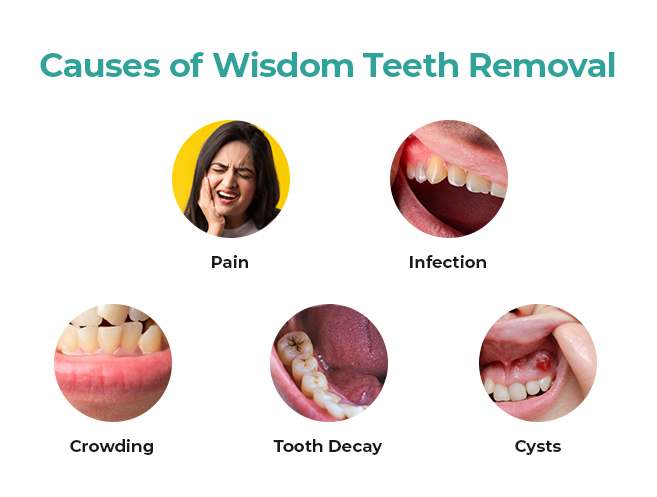
    Wisdom teeth, the third and final set of molars located at the very back of your mouth, have long been a source of frustration for many adults. While some people can keep their wisdom teeth without issue, most end up needing to have them removed at some point due to associated problems like pain, infection, and crowding issues. If you are wondering whether it is necessary to remove your wisdom teeth, you are not alone. Here is a look at why wisdom tooth extraction is often recommended, who needs it, and what to expect from the procedure when performed by an experienced dentist.

    Should You Keep Your Wisdom Teeth?

    While most wisdom teeth ultimately require removal, there are some benefits of keeping wisdom teeth:

    • Wisdom teeth may help replace lost molars. Keeping healthy wisdom teeth gives you an extra set of chewing surfaces.
    • It avoids the risks of wisdom tooth removal surgery. While rare, nerve damage or other complications can potentially occur.

    should you remove your wisdom teeth

    What Are Wisdom Teeth and Why Do They Cause Problems?

    Wisdom teeth usually erupt sometime between the ages of 17 and 25. They get their name from the fact that they come in later in life when a person has supposedly gained more wisdom. While that is a nice idea, wisdom teeth frequently cause issues due to their location and the fact that there often is not enough room for them. The most common problems associated with wisdom teeth include

    Pain: As wisdom teeth try to push through the gums, it can cause pain and swelling. The discomfort is sometimes chronic if the tooth becomes impacted or only partially emerges.

    Infection: Bacteria can get trapped under the gums around an erupting wisdom tooth. This can lead to infections like pericoronitis.

    Crowding: Often, wisdom teeth come in crooked or at an angle because the jaw has stopped growing and there is not enough room. This can damage adjacent teeth and alter your bite.

    Tooth Decay: Wisdom teeth are difficult to clean and may develop cavities that can spread to other teeth.

    Cysts: Non-cancerous cysts sometimes form around impacted wisdom teeth, destroying nearby bones and tissues.

    The Need for Wisdom Teeth Removal

    If your wisdom teeth are fully erupted, properly positioned, cavity-free, easy to clean, and not causing any problems, you may be able to keep them. However, most dentists recommend removing problematic wisdom teeth or ones with a high chance of causing issues. There is no exact wisdom teeth removal age, you should have a dental evaluation to determine if your wisdom teeth should come out, if you have any symptoms, or if x-rays show:

    • Partially erupted or impacted wisdom teeth
    • Wisdom teeth improperly angled toward other teeth
    • Lack of sufficient space for wisdom teeth
    • Nearby gum disease or tooth decay
    • Cysts forming around wisdom teeth

    Wisdom teeth removal is sometimes recommended for orthodontic reasons to prevent wisdom teeth from undoing bite correction.

    What is Wisdom Tooth Removal?

    Wisdom teeth removal is a very common dental procedure. The dentist at the best dental hospital in Calicut will numb the area so you don’t feel any pain. There are two main methods for removing wisdom teeth:

    Simple Extraction

    This involves numbing the area and gently rocking the visible tooth until it comes free. This is only an option if the wisdom tooth is fully erupted and has relatively normal positioning.

    Surgical Extraction

    This is required when wisdom teeth are not erupted or only partially erupted through the gums. The dentist will make an incision in the tooth’s gum tissue and remove any bone covering it. They will then split the tooth into pieces for easier removal if necessary.

    The actual procedure is quick, taking less than 30 minutes, even for impacted wisdom teeth. However, plan for your appointment to take longer to allow time for the anesthetic to take effect and for post-op care instructions.

    Wisdom Tooth Removal Recovery

    Following wisdom tooth extraction, you can expect:

    Pain and Swelling: This is normal for several days after surgery. Your dentist will prescribe pain medication and recommend over-the-counter anti-inflammatories to keep it under control.

    Numbness: Your lip, tongue, and chin may remain numb for a few hours after the procedure as the anesthetic wears off.

    Bleeding: Some minor bleeding and oozing are common for the first 1-2 days. Bite on gauze to help form a clot.

    Diet Changes: Stick to soft, gentle foods for a few days. Avoid very hot or spicy foods that could irritate the surgery site.

    Activity Restrictions: Limit strenuous activity for roughly 3-5 days to avoid dislodging the blood clot.

    Conclusion

    While wisdom teeth extraction is not universally necessary, most people will benefit from having their impacted or problematic wisdom teeth taken out. Doing so can help prevent many common dental issues that these hard-to-reach molars frequently cause when they don’t have enough room. If your wisdom teeth appear to erupt normally and are easy to clean, you may keep them as long as regular dental exams show they are cavity-free and not pushing your other teeth.

    However, it is wise to have them evaluated by your dentist in your late teens or early 20s to assess if removal is recommended. Don’t wait until you have severe pain or infection! Trust Elite Dental Care – the best dental clinic in Panampilly Nagar for your wisdom tooth extraction and any other oral health needs. Our experienced dentists make each visit comfortable while providing leading-edge care.

    FAQs

    What are wisdom teeth, and what problems can they cause?

    Ans. Wisdom teeth are the last molars to erupt, usually between ages 17-25. They frequently cause issues like pain, infection, crowding, and cysts due to lack of space and difficulty cleaning.

    Who needs to get their wisdom teeth removed?

    Ans. Anyone with partially impacted wisdom teeth, lack of space, signs of infection, or other issues should consider extraction. Removal may also be recommended for orthodontic reasons.

    What does wisdom tooth removal involve?

    Ans. The dentist will numb the area before removing any bone/tissue covering the impacted tooth. Simple extractions involve wiggling the tooth out, while surgical extractions require splitting the tooth.

    What are the factors that impact recovery after wisdom tooth removal?

    Ans. Expect some pain, swelling, numbness, and bleeding for the first few days. Follow your dentist’s postoperative instructions. Recovery is usually quick.

  • Tips to Ensure That Your Dental Crown Lasts For Years

    A sparkling smile full of healthy, natural-looking teeth – that’s a goal for many people seeking cosmetic dentistry. And for teeth that are damaged or showing signs of decay, dental crowns can help create a picture-perfect smile. These tooth-shaped caps fit securely over teeth to strengthen, protect, and improve their appearance.

    But don’t take these restorations for granted. Like your natural teeth, caring for your dental crowns is essential. Avoid “crown failure” and make your investment in oral health last by following these essential care tips mentioned in the blog.

    Taking Care of Your Dental Crowns

    A dental crown is an excellent way to restore a damaged or decayed tooth. With proper care, a crown can last for many years. Here are some tips to help you make dental crowns last long.

    dental crown lasts for years

    Get Regular Dental Checkups

    See your dentist for a checkup and cleaning at least twice a year. During the exam, your dentist will inspect the crown and surrounding teeth for any signs of problems. Detecting issues early makes them easier to treat.

    Practice Good Oral Hygiene

    Brush at least twice a day and floss once a day. Brushing and flossing removes plaque and bacteria that can lead to decay under and around the crown. Use a soft-bristle toothbrush and a gentle flossing technique to avoid damaging the crown.

    Avoid Hard, Sticky, and Crunchy Foods

    Foods that are hard, sticky, or crunchy can dislodge or crack a dental crown. Avoid chewing hard items like ice, nuts, and hard candy. Caramel, chewing gum, and popcorn can also stick to dental work and damage it.

    Wear a Mouthguard for Sports

    If you play recreational sports, wear a custom mouthguard made by your dentist. A mouthguard protects the crown from trauma. Sports like basketball, soccer, and lacrosse can lead to dental injuries.

    Don’t Use Your Teeth as Tools

    Using your teeth to open packages, crack nuts, rip open bags, hold nails, and complete other tasks can crack or dislodge crowns. Protect your restoration by avoiding using your teeth as tools. Ask your dentist about options if you have an occupational need to use your teeth.

    Get Broken Crowns Repaired Immediately

    If a crown starts feeling loose, comes off, chips, or shows any signs of damage, see your dentist right away. Leaving a broken crown can allow bacteria to infect the tooth underneath. Getting it repaired quickly protects the tooth.

    Consider a Crown for High-Risk Teeth

    If you have a tooth that has required multiple root canals or repairs, ask your dentist about placing a crown on it to prevent future damage. Protecting a vulnerable tooth with a dental crown can help save it.

    Take Steps to Prevent Teeth Grinding

    Clenching or grinding your teeth puts intense pressure on dental crowns that can lead to cracks and loose crowns. If you have symptoms of teeth grinding, like sore jaw muscles or headaches, talk to your dentist. A night guard custom-fit to your teeth can prevent damage from grinding.

    Get Dental Crowns Replaced On Time

    While crowns are durable, they do not last forever. The normal lifespan for a crown is about 10 years. Make sure to have your crowns checked at your regular dental appointments. When a crown starts to wear down or show signs of problems, dental experts recommend replacement.

    Preserve the Space for Missing Teeth

    If a dental crown is placed where a tooth has been extracted, it’s important to replace it. Allowing other teeth to drift into the empty space can lead to problems with your bite and cause complications. Talk to your dentist about your options.

    With proper home care and regular dental visits, your crowns can serve you well for years to come. Avoid harmful habits, report any issues promptly, and follow your dentist’s recommendations for crown care. With some simple precautions, your restored smile will stay healthy and beautiful.

    Conclusion

    With some attentive care and preventative habits, the crowns that bring new life to your smile can last for years without tarnish or complications. Avoid unnecessary repairs or replacements by brushing gently, protecting your crowns from damage, and reporting problems early on. See your dentist right away if you notice any signs of looseness, cracking, or changes in the tooth or gums around a crown.

    By looking after your dental restorations, you can ensure your healthy, radiant smile will stay intact for decades to come. If you are looking for the best dental clinic in Kochi, visit Elite Dental Studio. We have an experienced team of dentists who can give the right treatment and aftercare to their patients. Book an appointment today to know more.

    FAQs

    How long do dental crowns last? 

    With proper care, dental crowns typically last 5-15 years. Getting them replaced on time ensures the tooth underneath stays protected.

    Can you eat normally with a dental crown? 

    Yes, you can eat normally with a restored tooth. However, avoid sticky, hard or crunchy foods which could damage or dislodge the crown.

    Do dental crowns come off easily? 

    Crowns are securely attached to teeth with dental cement. With care, they should not come off easily. Avoid biting hard objects or using teeth to open items to prevent loosening or cracking crowns.

    Can I whiten my teeth with a dental crown? 

    You cannot whiten a dental crown at home or with strips since it is an artificial cover. However, your dentist can professionally whiten the crown to match better with the surrounding teeth.

    How do I prevent decay under a dental crown? 

    Brush twice daily, floss at least once daily, avoid sugary and acidic foods and drinks, use fluoride toothpaste, and maintain regular dental cleanings and exams every 6 months to catch problems early. This protects the natural tooth under the crown from decay.

  • The Journey to a Perfect Smile: Understanding Orthodontic Treatment

    A beautiful, straight smile can do wonders for your confidence and self-esteem. However, many people are unhappy with the appearance of their teeth or have issues like crooked teeth, gaps, overcrowding, underbites, or overbites. This is where orthodontic treatment comes in. Getting braces or other orthodontic appliances can help align your teeth and give you the stunning smile you’ve always wanted.

    In this blog post, we will explore the different orthodontic treatment options available and the benefits you can realise from straighter teeth. We will also break down what’s involved in the treatment process so you can better understand what goes into the journey to the perfect smile.

    Orthodontic Treatment Options

    There are a few main types of orthodontic treatment options to straighten your teeth:

    • Braces – The most common option, braces use a system of brackets, wires, and bands placed on your teeth to shift them into proper alignment slowly. Both metal braces and clear ceramic braces work similarly.
    • Clear aligners – Clear plastic trays like Invisalign are a more discreet option. You switch out the aligners at regular intervals to gradually move the teeth.
    • Lingual braces – These braces are bonded to the backs of your teeth, so they remain hidden from view.
    • Retainers – Used after braces treatment, retainers help set and maintain the corrected tooth positioning.
    • Headgear – Used in conjunction with braces, headgear attaches the braces to a facebow that provides anchorage for certain orthodontic movements.

    The best option for you depends on the extent of realignment needed, your preferences for style and convenience, and your orthodontist’s professional recommendation.

    Beautiful Smile with Braces

    While they may take some getting used to, give you the power to braces transform your smile. With consistent use as directed by your treatment plan, braces can:

    beautiful smile with braces

    It does take time and dedication to see results from braces. But expecting that stunning end smile can help motivate you through treatment. Tracking your smile’s gradual improvements at orthodontic dental clinic check-ins allows you to celebrate small “winnings” on your way to the grand prize.

    Benefits of Orthodontic Treatment

    Beyond an improved appearance, correcting teeth through orthodontic treatment promotes better oral health and ease of care. Some benefits of orthodontic treatment include:

    • Easier cleaning – Straight teeth have fewer hard-to-reach spots that collect plaque.
    • Reduced decay and gum disease risk – Misalignments trap more food debris linked to decay and inflammation.
    • Better chewing and speech – Aligned biting surfaces enhance mastication, while straightened teeth enable clearer pronunciation.
    • Increased longevity of teeth – Proper alignment better distributes chewing forces rather than overburdening select teeth.
    • Boosted self-confidence – An attractive new smile makes you feel ready to beam.

    Understanding the Process

    Now that we have covered some of the main orthodontic treatment options available and the extensive benefits you can gain from realigned teeth, let’s walk through what the general orthodontic treatment process involves:

    1. Initial Records Appointment – The first visit entails taking photos, x-rays, impressions of your teeth, a teeth scan, and measuring jaw movements to map out a detailed treatment plan.
    2. Appliance Placement – At the next visit, the selected orthodontic devices are bonded to or placed on your teeth to start shifting them incrementally.
    3. Periodic Adjustments – Every few weeks, you return to the orthodontist’s office for your appliances to be tightened, exerting additional pressure on your teeth.
    4. Ongoing Evaluation – Check-ins monitor and document the emergence of your new smile while tracking overall treatment progress.
    5. Debonding – Once optimal position is achieved, the braces are removed, and retainers are customised for the consolidation phase.

    This multi-step process spans an average of one to three years depending on factors like the complexity of corrections needed and patient adherence to prescribed wear and care for the devices. Working hand in hand with your orthodontist is key to staying the course.

    Conclusion

    The rewards of well-aligned, beautiful teeth outweigh the journey it takes to attain them. Whether you opt for tried-and-true braces, innovative clear aligners, or another orthodontic solution, understand that it is an investment in your smile, confidence, and dental health for years to come. Committing to treatment now means you will continue reaping the benefits long after your appliances come off.

    So, if you are looking for an orthodontic dental clinic, Elite Dental Studio has got you covered. We have a team of specialised orthodontists who take care of your smile and keep your oral health intact. Book an appointment to know more.

    FAQs

    Do braces hurt when they are first put on?

    It is normal to feel some discomfort in the days after first getting your braces as your teeth and mouth adjust. As the orthodontic appliances settle in, any soreness should fade. Proper oral hygiene and over-the-counter pain medication can relieve most symptoms.

    How often will I need orthodontic adjustments?

    Most patients receive adjustments every 4-8 weeks. The periodic tightening sessions allow controlled, incremental shifts that gradually align your smile over time. Keep all your adjustment appointments for maximum treatment efficiency.

    What foods should I avoid eating with braces?

    Avoid excessively crunchy, chewy, and sticky foods which can damage braces. Nuts, seeds, hard candies, ice, popcorn, and chewing gum tend to cause the most issues. Cut harder items like apples, carrots, and corn off the cob into bite-sized chewable pieces.

    Will I still be able to play sports with braces on?

    Yes, you can and should stay active while undergoing orthodontic treatment. Be sure to wear a mouthguard to protect your smile investment. Guards cushion blows that could otherwise bend the appliances or painfully cut your lips and cheeks.

    How long is typical orthodontic treatment?

    The average treatment duration ranges from 12-36 months, depending on your specific case. More complex corrections involving extractions, interarch mechanics, or growth modifications take longer. Cooperating fully with your orthodontist’s instructions speeds progress.

  • Keeping Your Gums Healthy: Recognizing the Early Signs of Gum Disease

    Our gums provide critical support for our teeth and overall oral health. When gum tissue becomes inflamed or infected, it can lead to severe issues like tooth loss and increased disease risk. That’s why noticing early signs of gum disease and seeking prompt treatment is important. This blog will explore common symptoms that may indicate gum disease is developing. We will look at potential causes and proven treatment options to stop gum disease from advancing. Know how to protect your gums and when to contact a periodontics specialist. Healthy gums lead to a vibrant smile and reduced dental problems.

    Understanding Gum Diseases

    Gum disease, or periodontal disease, is a condition that affects the tissues supporting and surrounding the teeth. It’s primarily caused by the buildup of plaque, a sticky film of bacteria that forms on the teeth. If not removed through daily brushing and flossing, plaque can harden into tartar, exacerbating gum inflammation and leading to more severe periodontal disease.

    keeping your gums healthy

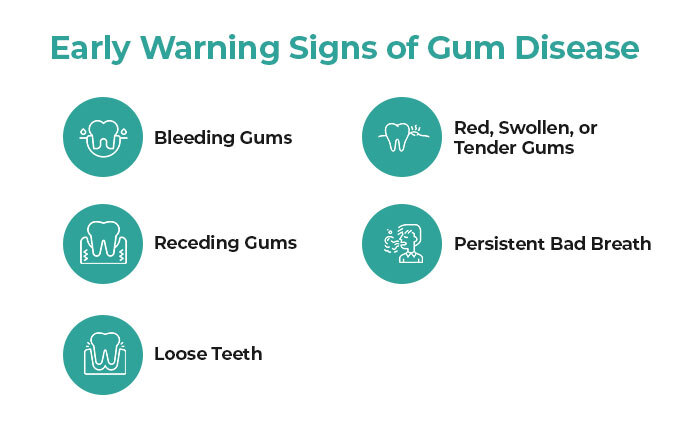
    Early Warning Signs

    Recognizing the early signs of gum disease can significantly enhance your chances of reversing damage and preventing further progression. Here are some key indicators to watch out for:

    Bleeding Gums: One of the most common and noticeable signs. If your gums bleed during brushing or flossing, it’s time to pay attention.

    Red, Swollen, or Tender Gums: Healthy gums are firm and pale pink. If they’re red, swollen, or tender, it could be an early sign of gum disease.

    Receding Gums: If your teeth appear longer than usual, it might be due to your gums reducing, a sign that periodontal disease is advancing.

    Persistent Bad Breath: Caused by the bacteria in plaque, persistent bad breath or a bad taste in your mouth can indicate gum disease.

    Loose Teeth: In advanced stages, the bones supporting your teeth can be affected, leading to tooth mobility.

    Effective Gum Disease Treatments

    Gum disease treatment varies depending on the severity of the condition but typically focuses on controlling the infection and restoring gum health. Here’s how Elite Dental Care approaches periodontics treatment in Kochi:

    Professional Cleaning: The first step in treating gum disease involves removing plaque and tartar buildup through professional cleaning. This includes scaling and root planing, where plaque and tartar from above and below the gum line are scraped away, and rough spots on the tooth root are made smooth.

    Medication: Sometimes, medication may be used alongside cleaning to reduce pocket depth and combat bacteria.

    Advanced Treatments: For more severe cases, surgical treatments such as flap surgery (pocket reduction surgery) or bone and tissue grafts may be necessary to restore damaged tissues.

    Protect Your Gums with Preventative Care

    Preventing gum disease from developing is the ideal way to maintain healthy gums for life. With proactive daily oral hygiene and regular professional cleanings, you can keep your gums plaque-free and in optimal shape.

    Brush Properly: Brush teeth gently twice a day (morning and night) for 2 minutes each time. Use a soft-bristled toothbrush and antibacterial toothpaste. Angle brush bristles 45 degrees towards your gums and sweeps in short strokes. Avoid scrubbing hard, which can erode gums. Don’t forget to brush your tongue, which harbors bacteria.

    Floss Thoroughly: Floss at least once per day, preferably at night, using a back-and-forth motion. Curve floss around each tooth and under the gumline. Take your time, and don’t snap or force floss, which can damage gums. Use a floss threader if you have trouble maneuvering floss between tight teeth.

    Rinse with Mouthwash: Swish daily with an antiseptic mouthwash like Listerine to reduce plaque bacteria. Apply mouthwash after brushing and flossing to reach the cleaned areas. Choose a mouthwash formulated for gum health and follow instructions. Don’t eat or drink for 30 minutes after using to allow full antiseptic effect.

    Optimize Your Diet: To strengthen gums, consume a balanced diet rich in nutrients like Vitamin C and calcium. Limit sugary and acidic foods that promote plaque bacteria growth. Stay hydrated by drinking plenty of water to keep your mouth moist. Avoid excessive coffee, tea, and alcohol that can dehydrate oral tissues.

    Don’t Smoke: Smoking increases gum disease risk by restricting oxygen-rich blood flow to the gums. Quitting smoking significantly lowers your risk of gum problems and improves healing. Talk to your doctor about smoking cessation programs and nicotine replacement options.

    See Your Dentist Regularly: Get a professional cleaning and exam every six months to catch issues early. Have your dentist evaluate symptoms like swelling, bleeding, or receding gums. Discuss any health conditions or medications impacting your oral health. If you are searching for ‘periodontist near me’, Elite Dental Care is here to help.

    Conclusion

    Gums keep our teeth securely in place, protecting the jawbone and providing a barrier against bacteria entering our bloodstream. When gums recede due to disease, our teeth become loose, bone deteriorates, and we face a higher risk of problems. By identifying gum disease in early stages, we can take action to restore gum health before extensive damage occurs. Elite Dental Care is a best periodontics clinic in Kochi that provides comprehensive, compassionate care for all your periodontal needs. With our expert team, advanced treatments, and patient-centered approach, we are dedicated to ensuring that your journey toward healthy gums is smooth, effective, and tailored to your unique situation.

    FAQs

    How can I tell if I have gum disease?

    Ans. If you notice your gums are bleeding, swollen, or tender when you brush or floss or have persistent bad breath, these could be early signs of gum disease. Visiting Elite Dental Care for a check-up is important if you experience any of these symptoms.

    Can gum disease be cured entirely?

    Ans. In its early stages, gum disease can often be reversed with proper dental care and oral hygiene practices. For more advanced cases, treatments at Elite Dental Care can effectively manage the condition, preventing further damage and restoring gum health.

    What happens if gum disease is left untreated?

    Ans. Untreated gum disease can progress to periodontitis, leading to receding gums, loss of bone around the teeth, and eventually, tooth loss. It can also increase the risk of other health issues, such as heart disease and diabetes.

    Why should I choose Elite Dental Care for my gum disease treatment?

    Ans. Elite Dental Care offers expert periodontists, advanced technology, and a patient-centered approach to treatment. We provide personalized care tailored to your needs, ensuring the best possible outcomes for your gum health.

  • All About Different Types of Dental Implants

    Dental implants are artificial teeth roots that provide a permanent foundation for fixed or removable replacement teeth. They are small posts usually made of titanium that are surgically placed into the jawbone beneath your gums. Dental implants can be used to replace a single missing tooth or to support a full set of dentures.

    In this blog, we will discuss the different types of dental implants, the implant procedure, and how to choose the right type of implant for your needs.

    Types of Dental Implants

    There are generally three main types of dental implants:

    all about different types of dental implants

    Endosteal Implants

    Endosteal implants are the most commonly used type of dental implant. They consist of screws, cylinders, or blades that are surgically placed into the jawbone. Each implant holds one or more prosthetic teeth. These cylinder-shaped implants are the closest in similarity to natural tooth roots.

    Subperiosteal Implants

    These implants lie on top of the jaw, with the metal framework protruding through the gums to hold the prosthesis. These types of implants are used for patients who are unable to wear conventional dentures and who have minimal bone height.

    Single Tooth Implants

    Single-tooth implants involve placing an implant per missing tooth by drilling a hole in the jawbone. The implant is capped with an artificial tooth called a “dental crown.” Single-tooth implants can be used if an individual is missing just one tooth or a few teeth. They serve as a great permanent replacement option over bridges.

    The Dental Implants Procedure

    The dental implants procedure involves a few main steps:

    Pre-Treatment Planning

    Before starting implants, the dentist will take x-rays and impressions of one’s teeth and mouth and develop customized treatment for each patient. Assessment of both oral and overall health is necessary to ensure implant success.

    Placement Surgery

    This minor surgery is done using local anesthesia to numb the treatment area. The oral surgeon of the best dental implant clinic in Calicut will make small incisions in the gums to expose the underlying bone. Tiny holes are drilled into the bone where the cylindrical or screw-shaped implant post is placed. Stitches may be needed over the implants to aid proper healing. The gums will heal in about 2-6 weeks.

    Healing Time

    There is a waiting period ranging from several months to ensure proper bonding of implants with the surrounding bone before artificial teeth are added. Healing time can vary depending on the treatment plan and bone condition.

    Placing the Replacement Teeth

    The custom-made artificial teeth or tooth replacements are securely attached to the dental implant posts during this phase. The replacement teeth are designed to fit one’s mouth perfectly and to match the natural surrounding teeth.

    How to Choose the Right Dental Implant Type

    The dentist will suggest the most ideal dental implant solution based on several factors:

    • Condition of the jawbone – Density and width determine how much support the bone can provide to uphold the implants.
    • Number of missing teeth – Implant type depends on whether a single tooth or multiple teeth need replacing.
    • Cosmetic concerns – Patient’s aesthetic goals and smile preferences.
    • Budget – Cost ranges from ₹30,000 – ₹3,50,000 per tooth, depending on the type of implant.

    Proper selection of types of dental implants ensures functional, durable, and cosmetically pleasing tooth replacement. Get a consultation from the top dental implant clinic in Kochi for further cost-related concerns.

    Conclusion

    Dental implants offer an excellent tooth replacement solution with results that can last many years when properly cared for. With emerging advancements in technology, dental implant success will only continue improving.

    Consult an oral health provider to determine which type of dental implants match your oral health status and treatment objectives. At Elite Dental Studio, the best dental implant clinic in Calicut, we have an experienced team of dentists who can suggest the required types of dental implants and give treatment with utmost care and professionalism. Book an appointment today to know more.

    FAQs

    What are the different types of dental implants?

    The main types of dental implants are endosteal implants which are rods or screws surgically inserted into the jawbone; subperiosteal implants, which lie on top of the jaw with the metal framework protruding through the gums; and single tooth implants to replace one or a few missing teeth.

    How is the dental implant procedure done?

    Dental implant surgery is done in a few steps – pre-treatment planning, including x-rays and impressions; implant placement into the jawbone; waiting for healing and osseointegration; and then finally, placing the artificial replacement tooth/teeth onto the implant posts. Local anesthesia is used.

    Is the dental implant procedure painful?

    Patients are given local anesthesia during the surgery so they will not feel pain. Some mild soreness may be there for a few days after the surgery, but it can be managed with common pain medications.

    How much does a single tooth implant cost in India?

    The cost of a single tooth implant in India ranges from ₹30,000 to ₹1,50,000 on average. The cost varies depending on the clinic, surgeon’s fees, and type of implant materials used.

    How long do dental implants last?

    With proper care and maintenance, dental implants are designed to last for 20-30 years. In some cases, with very healthy gums and bones, they can last a lifetime.

  • Enjoying Meals with Invisalign: Your Guide to Hassle-Free Eating

    Getting a perfect smile with Invisalign treatment does not mean you must compromise on enjoying your meals. It is all about following simple changes to keep your invisalign treatment procedure on track and eating your favorite foods. This guide will show you how to balance eating with your Invisalign treatment. Whether you are a foodie or want a hassle-free experience, these tips will make eating with Invisalign easy and worry-free.

    What does Invisalign treatment include?

    Invisalign is a modern way to straighten your teeth without the wires and brackets of braces. It uses clear, custom-fitted aligners to move your teeth into place gently. Here is what happens in the invisalign treatment procedure:

    Creating a Custom Plan: Your journey starts at the best dental clinic in Calicut, where dentists take impressions or digital scans of your teeth. They use these to create a precise treatment plan, showing the step-by-step changes you will see in your teeth.

    Receiving Your Aligners: A series of clear aligners will be made based on your custom plan. These aligners are practically invisible and fit snugly over your teeth. You will need to wear each set for about two weeks.

    Regular Progress Checks: You must consult with your dentist in Calicut regularly. They will check your progress and make sure the aligners fit well.

    Commitment to Wear: For the best results, you must wear your aligners for 20-22 hours daily. You can take them out to eat or drink anything besides water, brush, and floss.

    Transitioning Between Aligners: You must switch to a new set of aligners every two weeks. Each set is slightly different, gradually moving your teeth into the desired position.

    Seeing the Changes: You will notice your teeth gradually moving into place over the weeks and months. Seeing the changes and knowing your new smile is forming is exciting.

    Finishing Up: Once you have gone through all your aligners, your dentist will check the final position of your teeth. Sometimes, a few additional adjustments might be needed to get everything perfect.

    enjoying meals with invisalign

    Invisalign Tips for Eating Food

    Here is a look at invisalign tips for eating food. Also, how to manage your meals and snacks while keeping your treatment on track:

    Always Remove Aligners Before Eating: This is rule number one. Before you bite into anything, take your aligners out and store them safely in their case. Eating with them on can damage or stain them and might be uncomfortable.

    Rinse Aligners When Removed: When you take your aligners out, rinse them under cold or lukewarm water. This prevents dry saliva and plaque from building up, which can cause bad smells and bacteria growth.

    Mind What You Eat: While you can technically eat anything once your aligners are out, avoiding overly sticky or hard foods that can damage your teeth or residual attachments is wise.

    Limit Sugary and Acidic Drinks: Only water is recommended while wearing aligners. If you enjoy a sugary or acidic drink, take your aligners out and rinse your mouth before putting them back in.

    Be Careful with Hot Beverages: Hot drinks like coffee or tea can warp your aligners if you drink them while wearing the aligners. Always remove your aligners before enjoying a hot beverage and wait before putting them back in to avoid warping from the residual heat in your mouth.

    Clean Your Teeth After Every Meal: Before you put your aligners back in, brush and floss your teeth. This is crucial to prevent food particles from leading to cavities and other dental issues.

    Carry a Dental Kit: When you are out, carry a small dental care kit with a toothbrush, toothpaste, and floss. This makes it easy to clean your teeth after eating, no matter where you are.

    Stay Hydrated: Drinking plenty of water helps keep your mouth clean and prevents dryness, which can be more common when wearing aligners.

    Plan Your Meals: Since you need to remove your aligners and clean your teeth after eating, it is easier to stick to regular meals rather than constant snacking.

    Be Gentle When Replacing Aligners: After you have eaten and cleaned your teeth, gently put your aligners back in. Make sure they are fully seated and comfortable.

    Conclusion

    At Elite Dental Studio, the best dental clinic in Calicut, we are dedicated to making your invisalign treatment procedure smooth and enjoyable. The skilled dentist in Calicut is here to offer the best care and guide you through each step. With our help and your commitment to these simple invisalign tips for eating food, you can balance your meals and Invisalign treatment easily. Enjoy your food and look forward to a brighter smile with a top dental hospital in Calicut, where we care about your comfort and confidence.

    FAQs

    1. Can I eat anything while wearing my Invisalign aligners?

    Ans. No, you should remove your Invisalign aligners every time you eat. Eating with your aligners on can damage or stain them.

    2. How do I clean my teeth and aligners after eating?

    Ans. After each meal, brush and floss your teeth before returning your aligners. This prevents food particles, which can cause dental issues. For the aligners, rinse them under lukewarm water and use a soft toothbrush to clean them if needed gently. Avoid using hot water, as it can warp the plastic.

    3. Is it okay to drink coffee or tea with Invisalign?

    Ans. You should remove your Invisalign aligners before drinking hot beverages like coffee or tea. These drinks can stain your aligners, and the heat can also potentially harm them. For cold drinks other than water, removing your aligners to avoid staining is also a good idea.

    4. How often do I need to wear my Invisalign aligners each day?

    Ans. You should wear your Invisalign aligners for 20-22 hours daily for the best results. This means you can take them out for eating, drinking anything other than water, and for your oral hygiene routine, but they should be in at all other times, including while you are sleeping. Regular wear is crucial for keeping your treatment on track to achieve the best results.