Blog

  • How Laser Dentistry Can Help to Improve Your Dental Experience

    Traditional dental treatments generally use drills and other manual instruments, which can be uncomfortable or even painful for some patients. These conventional methods can also be less precise, leading to longer recovery times and a higher risk of complications. Laser dentistry addresses these issues by offering a modern, efficient alternative that minimizes discomfort and improves outcomes. Laser technology in dentistry uses concentrated light beams to perform a variety of dental procedures. These beams can precisely target tissues, making them ideal for both hard and soft tissue treatments. This blog will explore the benefits of laser dentistry, the problems it can address, and why you should consider it for your dental care needs. If you are looking for the best laser dental clinic, Elite Dental Studio is here to provide exceptional care.

    Benefits of Laser Dentistry

    Laser dentistry offers multiple advantages over traditional dental methods. Here are some key benefits that highlight why it is an excellent option for dental care:

    Minimally Invasive: Laser dentistry is less invasive than traditional methods. It involves minimal cutting and drilling, which reduces discomfort and the need for anesthesia. This makes it a great option for patients who are anxious about dental procedures.

    Reduced Pain and Discomfort: One of the most significant benefits of laser dentistry is the reduction in pain and discomfort. Lasers can precisely target areas, minimizing damage to surrounding tissues and nerves. This results in less pain during and after the procedure.

    Faster Healing and Recovery: Because laser dentistry is less invasive, it promotes faster healing and recovery. The precision of laser treatments means less trauma to the tissues, reducing swelling and bleeding, and allowing for quicker recovery times.

    Improved Precision and Accuracy: Lasers provide exceptional precision and control, allowing dentists to perform highly accurate procedures. This is particularly beneficial for delicate areas such as the gums or teeth, where precision is crucial for successful treatment outcomes.

    Reduced Risk of Infection: The high-energy beams of lasers sterilize the treatment area, reducing the risk of infection. This makes laser dentistry a safer option for many procedures, especially for patients with compromised immune systems.

    Minimal Bleeding: Laser dentistry reduces bleeding by promoting blood clotting during procedures. This is particularly beneficial for soft tissue treatments, where excessive bleeding can be a concern.

    Versatility in Treatments: Laser dentistry is versatile and can be used for a wide range of treatments, including cavity removal, gum reshaping, and teeth whitening. Its versatility makes it a valuable tool in both cosmetic and restorative dentistry.

    Greater Comfort for Patients: Patients often report a more comfortable experience with laser dentistry compared to traditional methods. The reduced need for drills and scalpels means less anxiety and a more pleasant overall experience.

    how laser dentistry can help to improve your dental experience

    Problems Laser Dentistry Can Treat

    Laser dentistry can address a variety of dental problems, offering effective and comfortable solutions for many common issues. Here are some of the conditions and treatments that benefit from the use of laser dentistry:

    Tooth Decay and Cavities: Dental laser treatment can precisely remove decay and prepare teeth for fillings. The use of lasers in cavity treatment reduces the need for drilling, making the process quicker and more comfortable for patients.

    Gum Disease and Periodontal Issues: Lasers are highly effective in treating gum disease by removing infected tissue and promoting the regrowth of healthy tissue. They can also reshape the gums and remove bacteria from periodontal pockets, helping to manage and treat periodontal disease.

    Teeth Whitening: Laser teeth whitening is a popular cosmetic treatment that uses laser energy to enhance the effects of whitening agents. This method is faster and more effective than traditional whitening techniques, providing significant improvements in just one session.

    Lesion and Tumor Removal: Dental lasers can safely remove benign oral tumors, lesions, and canker sores with minimal discomfort. The precision of lasers ensures that only the affected area is treated, preserving surrounding healthy tissue.

    Root Canal Treatments: Lasers can assist in root canal treatments by cleaning and shaping the root canals more effectively. They help sterilize the canals, reducing the risk of infection and improving the success rate of the treatment.

    Soft Tissue Procedures: Lasers are excellent for performing soft tissue procedures such as gum reshaping, frenectomy (removal of the frenulum), and biopsy. They provide a high degree of precision, reducing bleeding and discomfort.

    Cold Sore Treatment: Lasers can treat cold sores by reducing pain and speeding up the healing process. They help in sealing nerve endings, which alleviates discomfort and promotes faster recovery.

    TMJ (Temporomandibular Joint) Treatment: Laser therapy can be used to treat TMJ disorders by reducing inflammation and promoting healing in the joint area. It provides a non-invasive and effective treatment option for managing TMJ pain and discomfort.

    Why Choose Elite Dental Studio for Laser Dentistry

    At Elite Dental Studio, we are committed to offering the best dental treatments using advanced technology and personalized care. Our team of experienced dentists is dedicated to providing high-quality laser dental treatments in a safe and comfortable environment. Whether you need a routine check-up, cosmetic treatment, or specialized dental care, we have the expertise and technology to meet your needs. If you are looking for the best laser dental clinic near me, choose Elite Dental Studio for exceptional dental care that puts your comfort and health first. Contact us today to schedule your appointment and experience the benefits of laser dentistry.

    FAQs

    What are the benefits of laser dentistry?

    Ans. Laser dentistry offers benefits such as reduced pain, faster healing, minimal bleeding, and greater precision in dental procedures.

    Can laser dentistry treat gum disease?

    Ans. Yes, laser dentistry is effective in treating gum disease by removing infected tissue and promoting healthy tissue regrowth.

    Is laser teeth whitening better than traditional methods?

    Ans. Yes, laser teeth whitening is faster and often more effective, providing significant results in just one session.

    Are dental laser treatments safe?

    Ans. Yes, dental laser treatments are safe and reduce the risk of infection due to their sterilizing effect on the treated area.

  • Orthodontics Braces: Tips and Tricks

    Orthodontic braces are a common and effective way to straighten teeth, fix bites, and improve overall oral health. If you’re starting your journey with braces, you might feel a bit overwhelmed. However, with some useful tips and tricks, living with braces can be a smooth experience. In this blog, we’ll cover essential tips for braces, braces tips for pain, and tricks for living with braces to help you through this process.

    Understanding Orthodontic Braces

    Orthodontic braces are devices used by orthodontists to correct alignment issues with your teeth and jaw. Braces can help with a variety of dental problems, including crooked teeth, overbites, underbites, and gaps between teeth. They work by applying steady pressure over time to move teeth into their desired positions.

    Types of Braces

    1. Metal Braces: Traditional braces made of stainless steel. They are the most common type and are effective for complex cases.
    2. Ceramic Braces: These braces are made of clear or tooth-colored materials and are less noticeable than metal braces.
    3. Lingual Braces: Placed behind the teeth, these braces are hidden from view but might be harder to clean.
    4. Invisalign: These are clear, removable aligners that are less visible than traditional braces and offer more flexibility.

    Tips for Braces: Getting Started

    Preparing for Braces

    Before getting braces, it’s important to prepare yourself mentally and physically. Here are some tips:

    • Consultation: Schedule a consultation with an orthodontist to discuss your options and the expected duration of treatment.
    • Oral Hygiene: Start practicing good oral hygiene, as braces require additional care to keep your teeth and gums healthy.
    • Diet Adjustments: Begin to adjust your diet. Avoid sticky, hard, and sugary foods that can damage your braces or increase the risk of cavities.

    The First Week with Braces

    The first week with braces can be a bit uncomfortable as your mouth adjusts. Here are some tips for braces to help ease the transition:

    • Soft Foods: Stick to soft foods like yogurt, mashed potatoes, and smoothies to avoid putting pressure on your teeth.
    • Pain Relief: Use over-the-counter pain relief if you experience discomfort. Applying a warm washcloth or heating pad can also help soothe sore spots.
    • Orthodontic Wax: Use orthodontic wax on any brackets or wires that cause irritation to the inside of your mouth.

    Braces Tips for Pain

    Pain or discomfort is a common experience with braces, especially after adjustments. Here are some effective tips to manage it:

    Over-the-Counter Pain Relief

    Taking pain relievers like ibuprofen or acetaminophen can help reduce pain and inflammation. It’s best to take these medications before the discomfort starts to prevent it from becoming severe.

    Ice Packs

    Applying an ice pack to the outside of your mouth can help numb the area and reduce swelling. Wrap the ice pack in a cloth and apply it for 15-20 minutes at a time.

    Warm Salt Water Rinses

    Rinsing your mouth with warm salt water can soothe sore gums and reduce irritation. Mix one teaspoon of salt in a glass of warm water and rinse several times a day.

    Soft Diet

    Eating soft foods such as soup, pasta, and smoothies can help avoid putting pressure on your teeth and minimize discomfort.

    Tricks for Living with Braces

    Living with braces requires some adjustments to your daily routine. Here are some practical tricks for living with braces:

    tricks for living with braces

    Maintain Good Oral Hygiene

    Braces can trap food and plaque, making it crucial to maintain good oral hygiene. Here’s how to keep your teeth clean:

    • Brush Regularly: Brush your teeth after every meal using a soft-bristle toothbrush and fluoride toothpaste. Pay extra attention to the areas around brackets and wires.
    • Floss Daily: Use a floss threader or an orthodontic flosser to clean between your teeth and under the wires.
    • Use Mouthwash: Rinse with a fluoride mouthwash to help strengthen your teeth and prevent cavities.

    Be Careful with Food

    Avoiding certain foods is essential to prevent damage to your braces. Here’s a list of foods to avoid and tips for eating:

    • Hard Foods: Avoid biting into hard foods like apples, nuts, and corn on the cob. Cut them into small pieces before eating.
    • Sticky Foods: Stay away from sticky foods like gum, caramel, and chewy candies, as they can get stuck in your braces.
    • Sugary Foods: Limit sugary snacks and drinks to reduce the risk of cavities and plaque buildup.

    Handle Emergencies

    Braces emergencies can happen, such as broken brackets or poking wires. Here’s what to do:

    • Loose Bracket: If a bracket becomes loose, cover it with orthodontic wax and call your orthodontist for an appointment.
    • Poking Wire: If a wire is poking your cheek or gums, try to push it back into place with a cotton swab or pencil eraser and cover it with wax until you can see your orthodontist.

    Protect Your Braces

    If you play sports, wear a mouthguard to protect your braces and teeth from injury. Mouthguards can be custom-made or purchased over the counter.

    Stay Positive

    Living with braces can be challenging, but staying positive and focusing on the end result – a beautiful, healthy smile – can help you stay motivated throughout your treatment.

    Braces can transform your smile and improve your oral health. By following these tips and tricks, you can make your braces experience more comfortable and effective. Always consult your orthodontist for specific advice and instructions regarding your treatment.

    At Elite Dental Studio, we have the expert team of the best orthodontist in Calicut, who have years of experience in giving the required treatment to their patients. Book an appointment today to know more.

    FAQs

    How long does it take to adjust to braces?

    Most people adjust to braces within a few weeks. Initial discomfort usually subsides as your mouth gets used to the braces.

    What can I eat during the first week with braces?

    Stick to soft foods like yogurt, mashed potatoes, pasta, and smoothies to avoid discomfort.

    How can I clean my teeth with braces?

    Brush after every meal with a soft-bristle toothbrush, floss daily using a floss threader, and rinse with fluoride mouthwash.

    Can I still play sports with braces?

    Yes, but it’s important to wear a mouthguard to protect your braces and teeth from injury.

    How often should I visit the orthodontist for adjustments?

    Typically, you’ll need to visit your orthodontist every 4-8 weeks for adjustments, but your orthodontist will provide a specific schedule.

  • Things to Know Before Starting the Invisalign Treatment

    Invisalign is a modern orthodontic treatment that uses clear, removable aligners to gradually move your teeth into their desired position. Unlike traditional metal braces, Invisalign aligners are virtually invisible, making them an attractive option for both teens and adults. They are custom-made for your teeth, ensuring a comfortable fit and effective results. But before you go for the invisalign treatment, there are some important factors you should understand to be well-informed and ready to get started.

    The Need of Invisalign Treatment

    Invisalign treatment is suitable for various dental issues. Whether you have minor adjustments or more complex cases, Invisalign can be a great option. Here are some common situations where Invisalign can be beneficial:

    Crowded Teeth: When there is not enough space in your jaw for your teeth to fit normally, causing them to overlap and twist.

    Gaps in Teeth: If you have noticeable spaces between your teeth, which can cause food to get stuck and lead to gum issues.

    Overbite or Underbite: When your upper or lower teeth protrude over or under your opposite teeth, potentially causing jaw pain and wear on your teeth.

    Crossbite: When some of your upper teeth sit inside your lower teeth rather than on the outside, which can lead to tooth chipping and gum problems.

    Things to Know Before Getting Invisalign

    If you are experiencing any of these issues, Invisalign might be the ideal treatment for you. But, before going for the treatment, there are several important things to consider to ensure it is the right choice for your needs. Here are some things to know before Invisalign.

    Consultation is the First Step

    Before getting Invisalign, it is important to have a thorough consultation with a qualified orthodontist. During this consultation, the orthodontist will assess your dental health, discuss your treatment goals, and determine if Invisalign is the right fit for you. It is important to be honest about your expectations and any concerns you might have.

    Understand the Commitment

    Invisalign requires a significant commitment. You will need to wear your aligners for 20 to 22 hours a day to ensure the treatment is effective. The aligners should only be removed for eating, drinking (anything other than water), brushing, and flossing. This commitment might seem challenging, but it is essential for achieving the desired results.

    Invisalign Cost

    Understanding the cost of Invisalign is crucial before starting the treatment. Invisalign cost can vary based on the complexity of your case, your location, and the orthodontist’s experience. It is advisable to discuss the cost and payment plans with your orthodontist to find an option that fits your budget. Many dental clinics, including Elite Dental Studio, offer flexible payment plans to make the treatment more affordable. At Elite Dental Studio, we offer competitive pricing for Invisalign treatment in Kannur. Our team will work with you to ensure you get the best care at a price you can manage.

    Treatment Duration

    The duration of invisalign treatment in Calicut varies depending on individual needs. Typically, treatment can last anywhere from 6 to 18 months. Your orthodontist will provide a personalized treatment plan that outlines the expected duration and the number of aligners you’ll need.

    Potential Discomfort

    While Invisalign is generally more comfortable than traditional braces, you might experience some discomfort, especially when starting a new set of aligners. This discomfort is usually a sign that the aligners are working to shift your teeth. Over-the-counter pain relievers can help alleviate any discomfort.

    Maintenance and Care

    Invisalign aligners need to be cleaned regularly to avoid staining and keep them clear. You will need to brush them with a soft toothbrush and rinse them thoroughly. Good oral hygiene is essential throughout the treatment to prevent cavities and gum disease.

    Choose Elite Dental Studio for Your Invisalign Treatment

    If you are looking for the invisalign treatment near me, Elite Dental Studio is here to help. Our clinics are equipped with advanced technology and experienced professionals who are committed to providing the highest standard of dental care. Contact us today to schedule a consultation and take the first step towards your perfect smile with Invisalign. We look forward to helping you achieve the smile you have always wanted!

    FAQs

    How long does Invisalign treatment take?

    Ans. Invisalign treatment usually takes about 12 to 18 months, but you may see changes in just a few weeks. The exact time depends on your specific dental needs.

    Is Invisalign painful?

    Ans. Invisalign is generally more comfortable than traditional braces. You might feel some soreness when you start a new set of aligners, but it usually goes away after a few days.

    How often do I need to visit the dentist during Invisalign treatment?

    Ans. You need to visit your dentist every 6 to 8 weeks to check your progress and get your next set of aligners. Regular visits are important for a successful treatment.

    Can I eat and drink normally with Invisalign?

    Ans. Yes, you can eat and drink what you like, but you need to remove your aligners before meals and brush your teeth before putting them back in to keep them clean and clear.

  • Benefits Of Choosing A Pediatric Dentist For Your Child

    When it comes to our children, we always want the best for them, especially in terms of their health. Oral health, often overlooked, is a crucial aspect of a child’s overall well-being. This is where choosing a pediatric dentist comes into the picture. Pediatric dentistry is not just about regular dental care; it’s a specialized approach to ensuring your child’s dental growth and health from infancy through the teenage years. In this blog, we will explore the benefits of choosing a pediatric dentist and the advantages of pediatric dentistry.

    Understanding Pediatric Dentistry

    Pediatric dentistry is a branch of dentistry dealing with children’s dental health from birth through adolescence. Pediatric dentists undergo additional training to address the dental needs of infants, children, and adolescents, including those with special health needs. They are equipped with the skills to handle the behavioral aspects of children and make them feel comfortable during dental visits.

    Why Choose a Pediatric Dentist?

    The primary advantages of pediatric dentistry lie in the specialized training and focus on preventative care tailored specifically to children’s needs. Here are some compelling reasons why choosing a pediatric dentist is beneficial for your child:

    why choose a pediatric dentist

    Specialized Training and Experience

    Pediatric dentists have an additional two to three years of training beyond dental school, focusing exclusively on pediatric oral health. This training involves learning about children’s behavior, growth, and development. Pediatric dentists are well-equipped to create a friendly and welcoming environment that alleviates children’s fears and anxieties about dental visits.

    Preventative Care

    One of the major benefits of choosing a pediatric dentist is their focus on prevention. Pediatric dentists provide comprehensive care that emphasizes the importance of maintaining oral health to prevent disease. Their preventive care strategies include fluoride treatments, dental sealants, nutrition and diet recommendations, and early assessment for straightening teeth and correcting an improper bite (orthodontics).

    Child-Centric Facilities

    The clinic environment can significantly influence a child’s comfort and anxiety levels. Pediatric dental offices are designed with children in mind. From the waiting room to the treatment area, every corner of a pediatric dentist’s office is geared toward creating a child-friendly atmosphere. Decorations, toys, and child-sized dental chairs help make the dental experience more enjoyable and less intimidating for young patients.

    Expertise in Handling Growth and Development Issues

    Pediatric dentists monitor the growth and development of children’s jaws and teeth, making them adept at spotting potential problems early. Regular visits allow them to assess changes in your child’s oral health and provide timely interventions. This proactive approach can help manage issues that might become more complicated if left unaddressed.

    Tailored Communication

    Communication is key when dealing with children. Pediatric dentists know how to explain procedures in a way that is understandable and reassuring to young minds. They use age-appropriate language and calming techniques and have the patience to answer the curious questions children often ask, making each dental visit an educational experience.

    Building a Dental Home Early

    Establishing a “dental home” early in life encourages good oral care habits that last a lifetime. Regular visits to a pediatric dentist help instill the importance of oral hygiene in children, teaching them how to avoid cavities and gum disease. Furthermore, having a familiar and trusted dentist can ease the stress associated with dental care and support a positive outlook toward dental health in the future.

    Conclusion

    The advantages of pediatric dentistry are numerous and vital for your child’s oral health. By choosing a pediatric dentist in Calicut, you ensure that your child receives care that is designed to cater to their specific developmental needs and mental comfort. Pediatric dentists are not just dental practitioners; they are dedicated partners in your child’s health journey, making them an excellent choice for any parent prioritizing their child’s long-term well-being.

    So, if you are looking for a pediatric dentist, Elite Dental Studio is the best choice. Our experts are well-versed in handling all types of kid’s dental problems. Remember, the right pediatric dental care can pave the way for a lifetime of healthy smiles for your child. Book an appointment today to know more.

    FAQs

    At what age should my child first visit a pediatric dentist?

    It is recommended that your child visit a pediatric dentist by their first birthday or within six months after their first tooth appears. This early visit helps establish a dental home and starts a routine of regular check-ups.

    How often should my child see a pediatric dentist?

    Generally, children should visit a pediatric dentist every six months for regular check-ups and cleanings. However, your pediatric dentist might suggest more frequent visits depending on your child’s individual oral health needs.

    What are the signs that my child should see a pediatric dentist immediately?

    If your child complains of tooth pain, has swollen or bleeding gums, or notices any abnormalities like black or white spots on their teeth, it’s important to schedule a visit to the pediatric dentist. Additionally, you should seek immediate dental care if there is any injury to your child’s teeth or mouth.

    Can a pediatric dentist treat my child’s dental emergency?

    Yes, pediatric dentists are trained to handle dental emergencies specifically related to children, including knocked-out teeth, fractured teeth, or severe toothaches. They can provide immediate care and guide you through preventing further issues.

    How can a pediatric dentist help if my child is afraid of dental visits?

    Pediatric dentists specialize in managing fear and anxiety in young patients. They use techniques designed to calm children, such as explaining procedures in a child-friendly way, using distraction techniques, and sometimes employing sedation methods if necessary to ensure a comfortable and positive experience.

  • Connecting the Dots: How Oral Health Impacts Your Overall Well Being

    How Oral Health Impacts Your Overall Well-Being

    A bright smile is more than just an indicator of good oral hygiene; it shows how healthy your whole body is. By maintaining oral health you can keep your teeth and gums healthy and ensure your entire body functions properly. At Elite Dental Studio, we understand the strong connection between oral health and overall well-being, and we are committed to helping you achieve the best dental care. Let’s explore why oral health is important, how it impacts your overall health, potential complications from neglecting it, and tips on maintaining it.

    Why Oral Health is Important

    Oral health includes the health of your teeth, gums, and the entire oral-facial system that allows you to speak, chew, and express emotions. Good oral hygiene prevents dental issues like cavities, gum disease, and bad breath, and it contributes to your overall physical and mental well-being. At our dental clinic in Kochi, we focus on the importance of regular dental check-ups and proper oral care routines to keep your mouth healthy.

    how oral health impacts your overall health

    How Oral Health Impacts Your Overall Health

    Your mouth is the gateway to your body, and its health can greatly affect your overall health. Here is how:

    Heart Health: Bad oral hygiene can cause gum disease, which is linked to heart problems like heart disease and stroke. Bacteria from inflamed gums can enter your bloodstream, causing inflammation and contributing to plaque build-up in your arteries.

    Diabetes Control: Gum disease can make it harder to control blood sugar levels, making diabetes worse. People with diabetes are also more likely to get infections, including gum disease.

    Lung Health: Bacteria from your mouth can be breathed into your lungs, causing lung infections, pneumonia, and worsening existing lung problems.

    Pregnancy Risks: Pregnant women with poor oral health are at higher risk of complications like preeclampsia and preterm birth. Good oral hygiene is important for both mother and baby.

    Mental Well-being: Chronic oral health problems can lower your self-confidence, leading to stress and anxiety. This can affect your social interactions and overall quality of life.

    Problems May Occur Due to Poor Oral Health

    Ignoring your oral health can lead to serious problems, some of which can be long-lasting. Here are a few:

    Tooth Decay and Cavities: Plaque build-up can cause tooth decay and cavities. If untreated, this can lead to toothaches, infections, and even tooth loss.

    Gum Disease: Gingivitis, the early stage of gum disease, can progress to periodontitis if not treated. This severe form of gum disease can cause tooth loss and has been linked to other health problems.

    Oral Cancer: Regular dental check-ups can help detect oral cancer early. Symptoms like persistent mouth sores, lumps, or patches should be checked immediately.

    Bad Breath: Regular bad breath, or halitosis, can signal underlying dental or health issues. It can affect your social interactions and confidence.

    Tooth Loss: Ignoring dental health can lead to tooth loss, affecting your ability to chew, speak, and smile confidently. It can also cause bone loss in your jaw over time.

    How to Maintain Your Oral Health

    Keeping your mouth healthy is simple with consistent effort and good practices. Here are some tips:

    Brush and Floss Regularly: Brush your teeth at least twice a day with fluoride toothpaste and floss daily to remove plaque between teeth and along the gum line.

    Regular Dental Check-ups: Visit the dentist every six months for check-ups and cleanings. Regular visits help detect and treat dental issues early.

    Eat a Healthy Diet: Eat a balanced diet rich in fruits, vegetables, and whole grains. Limit sugary snacks and drinks that can cause tooth decay.

    Avoid Tobacco: Tobacco use can cause gum disease, oral cancer, and other health problems. Avoid smoking or chewing tobacco to stay healthy.

    Use Dental Products: Use mouthwash and other dental products recommended by your dentist to keep your mouth clean and fresh.

    Drink Plenty of Water: Drink water throughout the day. It helps wash away food particles and keeps your mouth moist, reducing the risk of tooth decay and gum disease.

    Elite Dental Studio – Your Partner in Oral Health

    At Elite Dental Studio, we believe that a healthy smile is the foundation of overall well-being. As the best dental clinic in Kochi, we offer a range of dental services designed to fulfill all your oral health needs. Our team of skilled professionals, including the best dentist in Kochi, is committed to providing top-notch care using the latest technologies and techniques. We specialize in various treatments such as dental laser treatment for precise and minimally invasive procedures, and Invisalign treatment for those seeking a powerful and smart way to straighten their teeth. Our comprehensive approach ensures that every aspect of your oral health is addressed, from preventive care to advanced treatments. Let us help you connect the dots between oral health and overall well-being, so you can lead a healthy, happy life.

    FAQs

    How does oral health impact overall health?

    Ans. Oral health affects overall health by potentially causing issues like heart disease, diabetes complications, respiratory infections, and pregnancy-related problems due to bacteria and inflammation from poor oral hygiene.

    What are the benefits of regular dental check-ups?

    Ans. Regular dental check-ups help in early detection and treatment of dental issues, preventing complications like cavities, gum disease, and oral cancer, and ensuring overall oral health.

    How can I maintain good oral health at home?

    Ans. Maintain good oral health by brushing twice a day, flossing daily, eating a balanced diet, avoiding tobacco, using recommended dental products, and staying hydrated.

    Why should I choose Elite Dental Studio for my dental care?

    Ans. Elite Dental Studio offers top-notch dental care with experienced professionals, advanced treatments like dental laser and Invisalign, and personalized services to ensure the best oral health outcomes.

  • Top 5 Reasons Why Regular Dental Check-ups Are Essential

    Dental health is often overlooked until a problem arises, but the truth is that regular dental check-ups are essential for maintaining a healthy mouth and preventing more serious issues down the line. From early detection of cavities and gum disease to oral cancer screening and professional cleaning, there are numerous reasons why you shouldn’t skip your routine dental visits.

    In this blog post, we’ll explore the top five reasons why regular dental check-ups should be a priority for everyone, highlighting the significant benefits they provide for your overall oral health and well-being.

    regular dental check ups


    Reason #1: Early Detection of Dental Problems

    One of the primary reasons why regular dental visits are crucial is that they allow for early detection of dental problems. During a routine check-up, your dentist will thoroughly examine your teeth, gums, and entire oral cavity. They can identify potential issues, such as cavities, gum disease, or oral cancer, at their earliest stages.

    Early detection is key because many dental problems are asymptomatic in their initial stages, meaning you may not experience any noticeable signs or symptoms. By the time you start experiencing pain or discomfort, the issue may have already progressed to a more advanced stage, requiring more extensive and costly treatment.

    Regular check-ups enable your dentist to catch and address these problems before they escalate, potentially saving you from more invasive procedures, unnecessary pain, and higher treatment costs in the long run.

    Reason #2: Professional Cleaning and Removal of Plaque and Tartar

    No matter how active you are with your at-home oral hygiene routine, it’s nearly impossible to remove all the plaque and tartar buildup from your teeth. Over time, these deposits can harden and lead to gum disease, tooth decay, and even tooth loss if left untreated.

    During a professional dental cleaning, your dentist in Calicut uses specialized tools and techniques to remove stubborn plaque and tartar deposits from hard-to-reach areas of your mouth. This thorough cleaning helps prevent gum disease, cavities, and other dental issues that can arise from excessive plaque and tartar buildup.

    Reason #3: Oral Cancer Screening

    Oral cancer is a serious condition that can be life-threatening if not detected and treated early. During regular dental check-ups, your dentist will perform an oral cancer screening, which involves a visual and tactile examination of your mouth, tongue, and throat for any suspicious lesions or abnormalities.

    Early detection of oral cancer significantly increases the chances of successful treatment and improves the overall prognosis. By attending regular check-ups, you give your dentist the opportunity to identify any potential signs of oral cancer at an early stage, when it is most treatable.

    Reason #4: Monitoring Existing Dental Work

    If you have existing dental work, such as fillings, crowns, bridges, or dental implants, regular check-ups are crucial for monitoring their condition and ensuring they are functioning properly. Over time, these restorations can wear down, become loose, or develop other issues that may require repair or replacement.

    During your check-up, your dentist in Calicut will examine your existing dental work and identify any potential problems before they become more serious or cause further damage to your teeth and gums.

    Reason #5: Professional Advice and Guidance

    Regular dental check-ups provide an opportunity for you to get personalized advice and guidance from your dentist regarding your oral health. Your dentist can assess your unique oral health needs, identify potential risk factors, and provide tailored recommendations for improving your oral hygiene routine, dietary habits, or lifestyle choices that may impact your dental health.

    Additionally, your dentist can address any concerns or questions you may have about your oral health, recommend appropriate treatments or procedures, and provide guidance on maintaining good oral hygiene practices between visits.

    By following your dentist’s advice and recommendations, you can proactively take steps to maintain a healthy mouth and prevent future dental problems.

    In conclusion, regular dental check-ups are essential for maintaining optimal oral health. They enable early detection of dental issues, professional cleaning, and removal of plaque and tartar, oral cancer screening, monitoring of existing dental work, and personalized advice and guidance from your dentist. By making regular dental visits a priority, you can prevent many dental problems, save money on costly treatments, and enjoy a healthy, confident smile for years to come.

    At Elite Dental Studio, we understand that a healthy, confident smile is invaluable. Our team of highly skilled and best dentists in Kochi is dedicated to providing exceptional oral care and ensuring that you and your loved ones maintain optimal dental health. Book an appointment today to know more.

    FAQs

    FAQ #1: How often should I get a dental check-up?

    Answer: Most dental professionals recommend getting a check-up and professional cleaning every six months. However, the frequency may vary depending on your individual oral health needs. Your dentist will advise you on the appropriate schedule based on your specific circumstances.

    FAQ #2: What happens during a dental check-up?

    Answer: During a routine dental check-up, your dentist will typically perform the following:

    • Examine your teeth, gums, and overall mouth for any signs of problems or issues.
    • Clean your teeth by removing plaque and tartar buildup.
    • Check for any cavities or tooth decay.
    • Evaluate the condition of existing dental work (fillings, crowns, etc.).
    • Perform an oral cancer screening.
    • Provide personalized advice and recommendations for maintaining good oral hygiene.

    FAQ #3: Do I need a dental check-up if I’m not experiencing any problems?

    Answer: Yes, absolutely. Many dental issues, such as cavities, gum disease, and oral cancer, can be present without causing any noticeable symptoms in their early stages. Regular check-ups allow your dentist to detect and address these problems before they progress and become more serious.

    FAQ #4: What are the benefits of regular dental check-ups?

    Answer: Regular dental check-ups offer several key benefits:

    • Early detection and treatment of dental problems, preventing more extensive and costly procedures.
    • Professional cleaning to remove stubborn plaque and tartar buildup, reducing the risk of gum disease and tooth decay.
    • Oral cancer screening increases the chances of successful treatment if abnormalities are found.
    • Monitoring of existing dental work to ensure it’s functioning properly.
    • Personalized advice and guidance from your dentist on maintaining good oral health.

    FAQ #5: Can I skip dental check-ups if I brush and floss regularly?

    Answer: While proper at-home oral hygiene (brushing and flossing) is essential, it cannot replace the need for regular professional dental check-ups and cleanings. Even with diligent self-care, plaque and tartar can accumulate in hard-to-reach areas, and certain dental issues may go unnoticed without a professional examination.

  • Unlock Your Smile Potential: Exploring Cosmetic Dentistry Options

    A beautiful smile does more than improve your appearance; it can boost your self-confidence and enhance your quality of life. Cosmetic dentistry plays an important role in helping you maintain dental health while ensuring that your smile reflects your inner confidence. Whether you want a whiter smile or need to straighten misaligned teeth, there are plenty of cosmetic dentistry options to suit your needs. In this blog, we will check out what cosmetic dentistry involves, the different procedures available, and how you can benefit from them.

    What Is Cosmetic Dentistry?

    Cosmetic dentistry refers to dental procedures that improve the appearance of teeth, gums, and overall smile. While some cosmetic treatments are purely aesthetic, many also address underlying dental health issues like misaligned teeth or gum problems. The goal is to provide patients with a smile that looks and functions beautifully.

    cosmetic dentistry procedures

    Popular Cosmetic Dentistry Procedures and Their Benefits

    Here are some cosmetic dentistry procedures and their unique benefits:

    Teeth Whitening

    Teeth whitening is one of the most popular cosmetic dental treatments. It involves removing stains and discoloration caused by coffee, tea, smoking, and other factors. Professional teeth whitening at an orthodontic dental clinic can lighten teeth several shades in one session, providing a brighter, more radiant smile. The benefits of teeth whitening are:

    • Quick results
    • Non-invasive
    • Affordable

    Clear Dental Aligners (Invisalign Treatment)

    Clear dental aligners, like Invisalign, are an alternative to traditional braces for straightening misaligned teeth. They consist of custom-made, transparent trays that gradually shift teeth into their ideal position. Clear aligners are removable and virtually invisible. Also, dental aligners cost is affordable, making it feasible for everyone. The benefits of Invisalign treatment are:

    • Discreet appearance
    • Easy to remove for eating or cleaning
    • Comfortable and effective

    Dental Veneers

    Veneers are thin, custom-made shells placed on the front surface of teeth to correct imperfections like chips, stains, or gaps. They are usually made from porcelain or composite resin and provide a natural-looking improvement. Here are the benefits of dental veneers:

    • Immediate aesthetic enhancement
    • Stain-resistant
    • Durable and long-lasting

    Dental Bonding

    Dental bonding involves applying a tooth-colored resin to repair chipped, cracked, or misshapen teeth. The resin is sculpted and polished to match the surrounding teeth, creating a seamless appearance. Here are some benefits of dental bonding:

    • Quick procedure
    • Minimal tooth enamel removal
    • Affordable

    Dental Implants

    Dental implants are titanium posts surgically placed into the jawbone to replace missing teeth. Once healed, a crown is placed on the post, providing a natural-looking and fully functional replacement. The benefits of dental implants are:

    • Permanent solution for missing teeth
    • Prevents bone loss
    • Restores chewing and speaking ability

    Gum Contouring

    Gum contouring reshapes the gum line to correct a “gummy” smile or uneven gums. This procedure can be performed using a dental laser treatment for precision and faster healing. The benefits of gum contouring includes:

    • Improved symmetry of the smile
    • Reduces excess gum tissue
    • Minimally invasive

    Dental Crowns

    Dental crowns are custom-made caps placed over damaged or weakened teeth to restore their shape, strength, and appearance. They protect teeth that have undergone extensive decay, fractures, or root canal treatments. Here are some benefits of dental crowns:

    • Restores damaged teeth
    • Blends with natural teeth
    • Long-lasting durability

    Each of these cosmetic dentistry options offers unique benefits to help you achieve a beautiful, healthy smile.

    Aftercare You Need

    After undergoing a cosmetic dental procedure, following the recommended aftercare guidelines is essential to maintain your new smile. Here are some tips:

    Oral Hygiene: Brush and floss regularly to keep your teeth and gums healthy. Use non-abrasive toothpaste to avoid damaging any new dental work.

    Diet Adjustments: Avoid foods and drinks that can stain or damage your teeth, such as coffee, wine, and sticky sweets. Stick to a balanced diet to support overall dental health.

    Follow-Up Appointments: Attend follow-up appointments with your dentist to monitor progress and address any issues. They can also provide additional advice on caring for your teeth.

    Avoid Teeth Grinding: If you grind your teeth at night, consider wearing a mouthguard to protect veneers, crowns, or bonding from damage.

    Quit Smoking: Smoking can stain teeth and contribute to gum disease. Quitting smoking will help maintain your smile and improve your overall health.

    Trust Elite Dental Studio for Cosmetic Dentistry

    Cosmetic dentistry offers a range of solutions that can help you achieve a beautiful smile, whether it is through teeth whitening, clear aligners, or dental implants. At Elite Dental Studio, we specialize in providing the best dental treatments and care tailored to your unique needs. Our team of experienced professionals is dedicated to helping you achieve a radiant smile that reflects your inner confidence. Contact Elite Dental Studio today to explore how we can transform your smile!

    FAQs

    Is teeth whitening safe for my enamel?

    Ans. Yes, professional teeth whitening performed by a dentist is safe for enamel. Your dentist will monitor the treatment to ensure that it’s done correctly.

    How long do clear dental aligners take to straighten teeth?

    Ans. Clear dental aligners usually take 6 to 18 months to straighten teeth, depending on the severity of the misalignment and how well you follow your dentist’s instructions.

    Are dental veneers permanent?

    Ans. Veneers are not permanent, but they can last 10 to 15 years with proper care. They may need to be replaced eventually due to wear or damage.

    Is dental bonding painful?

    Ans. No, dental bonding is a painless procedure. Dentists use local anesthesia if needed, but the treatment usually involves little to no discomfort.

    Can gum contouring affect my teeth?

    Ans. Gum contouring is a safe procedure that only reshapes excess gum tissue. It doesn’t harm your teeth and helps create a balanced and attractive smile.

  • Unveiling The Vital Role Of Dental Crowns In Restoring Smiles

    In the world of dentistry, dental crowns play a crucial role in restoring the strength, appearance, and functionality of damaged or decayed teeth. These small but mighty dental restorations have the power to transform smiles and improve overall oral health. Through this blog, let’s get into the fascinating world of dental crowns and uncover their vital role in restoring smiles.

    What are Dental Crowns?

    Dental crowns are tooth-shaped caps that are designed to cover the entire visible portion of a tooth. They are crafted from various materials, including porcelain, ceramic, metal, or a combination of these materials. These crowns are meticulously crafted to fit snugly over the prepared tooth, providing a natural-looking and durable solution.

    The Reasons Behind Dental Crown Treatment

    There are several reasons why a dentist may recommend a dental crown treatment:

    1. Protecting a Weakened Tooth: When a tooth is severely damaged due to decay, cracks, or root canal treatment, a dental crown acts as a protective shell, preventing further damage and restoring the tooth’s strength.
    2. Improving Appearance: Dental crowns can improve the appearance of discoloured, misshapen, or heavily stained teeth, enhancing the overall aesthetics of your smile.
    3. Restoring Broken or Worn Teeth: Over time, teeth can become worn or broken due to grinding, clenching, or other habits. Dental crowns can restore the tooth’s shape, size, and function.
    4. Supporting Dental Bridges: Dental crowns are also used to anchor dental bridges, which are used to replace missing teeth.

    Custom Dental Crowns: A Personalized Solution

    One of the key advantages of dental crowns is their ability to be customised to meet each patient’s unique needs. Custom dental crowns are meticulously crafted to match the shape, size, and colour of your natural teeth, ensuring a seamless and natural-looking result.

    The process of obtaining custom dental crowns involves several steps:

    1. Tooth Preparation: The dentist reshapes the tooth to create space for the crown to fit properly.
    2. Impressions and Shade Matching: Impressions of your teeth are taken, and the shade of your natural teeth is carefully matched to ensure the crown blends in seamlessly.
    3. Fabrication: Based on the impressions and shade specifications, a dental laboratory crafts a custom crown specifically for you.
    4. Placement: During the final appointment, the dentist carefully cements the custom crown onto your prepared tooth, ensuring a perfect fit and restoring your tooth’s function and appearance.

    Benefits of Dental Crowns

    Dental crowns offer numerous benefits, making them a popular choice for dental restoration:

    benefits of dental crowns

    Types of Dental Crowns

    Dental crowns are available in various materials, each with its own unique properties and advantages:

    1. Porcelain Crowns: Known for their natural-looking appearance and ability to mimic the translucency of natural teeth, porcelain crowns are a popular choice for front teeth.
    2. Metal Crowns: Typically made of gold or other metal alloys, metal crowns are known for their durability and strength, making them suitable for molars and other high-stress areas.
    3. Porcelain-Fused-to-Metal Crowns: Combining the strength of metal with the natural appearance of porcelain, these crowns offer a balance of durability and aesthetics.
    4. Zirconia Crowns: Made from a strong ceramic material called zirconia, these crowns offer excellent strength and a natural-looking appearance.

    Caring for Your Dental Crowns

    To ensure the longevity and effectiveness of your dental crowns, it’s essential to practise good oral hygiene habits. This includes brushing twice a day, flossing daily, and visiting your dentist regularly for cleanings and check-ups. Additionally, avoid habits like biting on hard objects or using your teeth as tools, as these can damage or dislodge your crowns.

    With custom-tailored solutions, durable materials, and skilled dental professionals, dental crowns offer a comprehensive and effective approach to achieving a beautiful, healthy, and long-lasting smile. So if you are looking for the best dental clinic in Kochi, visit Elite Dental Studio.

    We have a team of the best dentists in Kochi who can evaluate your oral health condition and provide you with the required treatment. Book an appointment to know more.

    FAQs

    How long do dental crowns last?

    The lifespan of a dental crown can vary depending on several factors, such as the materials used, your oral hygiene habits, and the amount of wear and tear it endures. Generally, dental crowns can last anywhere from 5 to 15 years or even longer with proper care. Porcelain and ceramic crowns tend to have a longer lifespan compared to metal crowns.

    Is the process of getting a dental crown painful?

    Getting a dental crown is typically not a painful process. Your dentist will numb the area around the tooth with a local anaesthetic before preparing the tooth and taking impressions. You may experience some mild sensitivity or discomfort after the procedure, but this can be managed with over-the-counter pain medication if needed.

    How do I care for my dental crowns?

    Proper oral hygiene is crucial for maintaining the longevity of your dental crowns. Brush your teeth twice a day with a soft-bristled toothbrush, floss daily, and use an antibacterial mouthwash. Avoid habits like biting on hard objects, chewing ice, or using your teeth as tools, as these can damage or dislodge your crowns.

    Will my dental crown look natural?

    Modern dental crowns are designed to blend seamlessly with your natural teeth. Your dentist will carefully match the colour, shape, and size of the crown to your existing teeth, ensuring a natural-looking and aesthetically pleasing result. With advances in dental materials and technology, it’s difficult to distinguish a well-made crown from a natural tooth.

  • Everything You Need to Know About Bad Breath

    Bad breath, also known as halitosis, is a common problem that can be embarrassing and affect your self-confidence. Approximately 25 percent of individuals experience bad breath. While various factors can contribute to halitosis, the primary culprit in most cases is poor oral hygiene.

    Bad breath is a condition that affects many people, and it’s important to understand its causes, types, and treatment options. In this blog post, we’ll explore everything you need to know about bad breath. So let’s get started.

    Quick facts about bad breath

    Here are quick points regarding bad breath. Additional information and details can be found in the main article.

    1. Bad breath impacts approximately 25% of the global population.
    2. The leading cause of halitosis is poor oral hygiene.
    3. When food particles remain in the mouth, bacteria break them down, leading to sulfur compound production.
    4. Maintaining mouth hydration can minimize mouth odor.
    5. Consistent brushing, flossing, and staying hydrated are the most effective treatments for bad breath.

    Cause of Bad Breath

    Bad breath can have various causes, including:

    1. Food: Certain foods, such as garlic, onions, and spicy dishes, can contribute to bad breath. These foods release odor-causing compounds that can linger in your mouth and cause an unpleasant smell.
    2. Poor Oral Hygiene: Failing to brush and floss regularly can lead to the buildup of food particles and bacteria in your mouth, which can cause bad breath.
    3. Dry Mouth: Saliva helps wash away food particles and bacteria in your mouth. However, if you have a dry mouth, it can lead to an overgrowth of bacteria, resulting in bad breath.
    4. Smoking: Smoking can not only stain your teeth but also cause dry mouth, which can lead to bad breath.
    5. Certain Medical Conditions: Some medical conditions, such as respiratory infections, tonsillitis, diabetes, and liver or kidney problems, can contribute to bad breath.

    Types of Bad Breath

    There are two main types of bad breath:

    1. Temporary Bad Breath: This type of bad breath is usually caused by something you ate or drank recently. It typically goes away on its own once the food is digested or the odor-causing compounds are eliminated from your mouth.
    2. Chronic Bad Breath: This type of bad breath is more persistent and can be a sign of an underlying health issue. It may be caused by poor oral hygiene, dry mouth, or a medical condition.

    Reasons for Bad Breath

    In addition to the causes mentioned above, there are several other reasons why someone might experience bad breath:

    1. Gum Disease: Gum disease, also known as periodontal disease, can lead to bad breath due to the buildup of bacteria and plaque in the mouth.
    2. Tooth Decay: Cavities and other forms of tooth decay can trap food particles and bacteria, leading to bad breath.
    3. Dentures or Orthodontic Appliances: If not properly cleaned, dentures and orthodontic appliances can harbor bacteria and cause bad breath.
    4. Tonsil Stones: These are small, hardened deposits that can form in the tonsils and emit an unpleasant odor.

    Symptoms for Bad Breath

    While the most obvious symptom of bad breath is an unpleasant odor coming from your mouth, there are other signs to look out for:

    1. White coating on the tongue
    2. Dry mouth
    3. Bitter or metallic taste in the mouth
    4. Bad taste in the mouth

    Bad Breath Treatment

    Treating bad breath often involves addressing the underlying cause. Here are some common treatment options:

    bad breath treatment

    • Improved Oral Hygiene: Brushing your teeth twice a day, flossing regularly, and using an antibacterial mouthwash can help eliminate food particles and bacteria that cause bad breath.
    • Hydration: Drinking plenty of water can help increase saliva production and prevent dry mouth.
    • Dietary Changes: Avoiding foods that contribute to bad breath, such as garlic and onions, can help reduce odor.
    • Quitting Smoking: Quitting smoking can improve your overall oral health and reduce the risk of bad breath.
    • Treating Underlying Medical Conditions: If bad breath is caused by a medical condition, treating the underlying issue may resolve the problem.
    • Professional Dental Treatment: In some cases, professional dental treatments, such as scaling and root planing, may be necessary to remove plaque and tartar buildup that contributes to bad breath.

    Bad breath can be embarrassing and impact your social and professional life. By understanding the causes, types, and treatment options, you can take steps to address this issue and feel more confident in your interactions with others. Remember, regular dental check-ups and good oral hygiene practices are key to maintaining fresh breath and overall oral health.

    So, if you are looking for a dental hospital in Kochi for your or your loved ones’ bad odor problems, Elite Dental Studio is here to help. We have an expert team of dentists who can examine your actual situation and give the required treatment. Book an appointment today to know more.

    FAQs

    What is the main cause of bad breath?

    The main cause of bad breath is poor oral hygiene. When you don’t brush and floss regularly, food particles and bacteria can build up in your mouth, leading to an unpleasant odor.

    Can certain medical conditions cause bad breath?

    Yes, certain medical conditions like respiratory infections, tonsillitis, diabetes, and liver or kidney problems can contribute to bad breath. If you have chronic bad breath, it’s a good idea to visit your doctor to rule out any underlying health issues.

    Is bad breath always a sign of something serious?

    No, bad breath isn’t always a sign of something serious. Sometimes, it’s just temporary and caused by something you ate or drank recently, like garlic or onions. As long as it goes away after a while, it’s usually nothing to worry about.

    What are some effective ways to treat bad breath?

    Some effective ways to treat bad breath include practicing good oral hygiene (brushing, flossing, and using mouthwash), staying hydrated, avoiding foods that cause bad breath, quitting smoking, and treating any underlying medical conditions. In some cases, professional dental treatment may be necessary.

    Can bad breath affect my social life?

    Yes, bad breath can definitely affect your social life and self-confidence. It can be embarrassing and make it difficult to interact comfortably with others. That’s why addressing the issue and finding an effective treatment is important.

  • Unlocking Smiles: The Top 6 Benefits of Dental Implants

    Maintaining dental health is more than just about having a bright smile; it affects your overall well-being and confidence. Missing teeth can significantly impact your life, from how you eat to how you socialize. Dental implants offer a modern solution for those looking to restore their dental health and confidence fully. This blog explores why dental implants might be necessary, understanding the procedure, and highlights the major benefits of having implants.

    Dental Health and the Role of Dental Implants

    Dental health is pivotal not only for aesthetic reasons but for functional and health purposes as well. Missing teeth can lead to several issues, including jawbone deterioration, altered facial structure, and decreased self-esteem. Dental implants provide a durable and effective solution, acting as a complete replacement from the root to the crown. Unlike dentures or bridges, implants offer a fixed solution that mimics natural teeth closely.

    The Dental Implants Procedure

    Dental implantation is a multi-step process that involves precision and expertise. Here is a brief rundown of what to expect:

    Consultation and Planning: This first step involves thorough diagnostics, including X-rays or CT scans, to assess bone quality and determine the implant placement.

    Implant Placement: Under local anesthesia, the implant, a small titanium post, is surgically placed into the jawbone, replacing the missing tooth’s root.

    Healing Process: After placement, a period known as osseointegration begins, where the implant fuses with the jawbone. This can take several weeks to months, ensuring a stable base for the new tooth.

    Abutment Placement: Once healing is complete, an abutment is attached to the implant. This piece connects the implant to the crown.

    Artificial Tooth Placement: The final step is the placement of the crown, which is custom-made to match your natural teeth in color and shape.

    unlocking smiles the top 6 benefits of dental implants

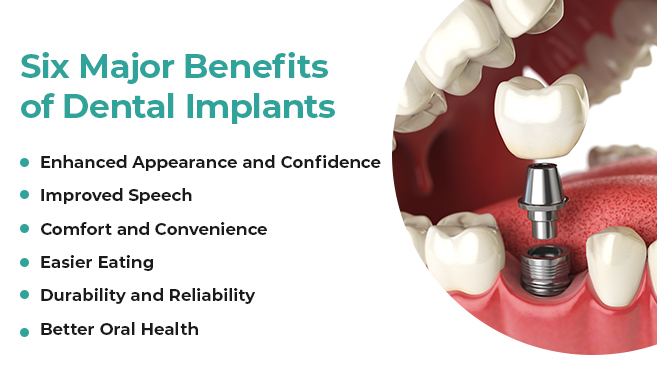
    Six Major Benefits of Dental Implants

    By providing these substantial benefits of having implants offer not only a functional remedy but also long-term value and an enhanced quality of life. These advantages of dental implants make them a preferred choice for tooth replacement, highlighting why they are crucial for anyone looking to improve their dental health and lifestyle.

    Enhanced Appearance and Confidence

    Dental implants are designed to look and feel just like your natural teeth. Once the implant integrates with your jawbone, it becomes a permanent part of your mouth. This helps in maintaining the natural shape of your face and smile, significantly enhancing your appearance and boosting your confidence.

    Improved Speech

    With poor-fitting dentures, the teeth can slip within the mouth, causing you to mumble or slur your words. Dental implants allow you to speak freely and naturally without the worry of your teeth moving. Since the implant is securely anchored, there is no risk of it slipping, making speech as natural as with your original teeth.

    Comfort and Convenience

    Unlike dentures, which are removable and can be uncomfortable due to friction and movement during daily activities, dental implants are a part of you. This means they eliminate the discomfort commonly associated with removable prosthetics. There is no need for the bothersome removal of implants, and no need for messy adhesives to keep them in place.

    Easier Eating

    Dentures can make chewing a challenge as they might slide during eating, making it difficult to enjoy your favorite foods. Dental implants function like your own teeth, allowing you to eat all types of foods with ease and without discomfort. This means you can continue to enjoy apples, steaks, and even corn on the cob without extra effort or special preparations.

    Durability and Reliability

    Dental implants are built to be durable and to withstand the rigors of daily use. They are very robust and can last many years. If taken care of properly, many dental implants can even last a lifetime. This makes them a highly reliable and cost-effective solution compared to other dental replacement options, which might need to be replaced periodically.

    Better Oral Health

    Dental implants have a distinct advantage in that they do not require altering the adjacent teeth, as is necessary with tooth-supported bridges. This means that more of your natural teeth remain intact, which is beneficial for your long-term oral health. Implants also allow easier access between teeth, improving oral hygiene. With easier cleaning and the preservation of more natural tooth surfaces, your overall dental health can be significantly improved.

    Why Choose Elite Dental Studio?

    Dental implants are more than just a cosmetic fix; they are a crucial investment in your health and well-being. Offering numerous benefits over other dental procedures, implants are a superior choice for restoring both functionality and aesthetics to your smile. If you are searching for teeth implants near me, you are at the right place. Elite Dental Studio is a best dental implant clinic in Kochi which is committed to providing the best dental treatments and care, ensuring every patient leaves with a smile they are proud to show off. Embrace the future of dental technology and experience the life-changing benefits of dental implants with us. Your journey to a confident, beautiful smile begins here.

    FAQs

    How long do dental implants last?

    Ans. With proper care and maintenance, dental implants can last a lifetime. Regular check-ups and good oral hygiene are essential to extend their durability.

    Are dental implants painful?

    Ans. The procedure itself is not painful due to the use of local anesthesia. Post-procedure discomfort is usually mild and manageable with over-the-counter pain medications.

    How do I know if I am a candidate for dental implants?

    Ans. Most individuals who are in good general and oral health and have sufficient bone in their jaw to support an implant are suitable candidates. A detailed consultation at Elite Dental Studio can confirm your eligibility.

    What is the success rate of dental implants?

    Ans. Dental implants have a high success rate, typically above 95%. Factors like the expertise of your dental surgeon and your overall health can influence success.